Halotherapy has been practised for decades in Eastern Europe, where miners working in salt caves consistently showed far better lung health than the general population. What began as a medical observation in the mines of Wieliczka, Poland, in the nineteenth century is now one of the most sought-after treatments in high-end wellness facilities worldwide. In an industry valued at over 6.8 trillion euros globally, decision-makers are looking for experiences that combine genuine therapeutic value with strong perceived worth. A salt room delivers both.
What Is a Salt Cabin and How Does It Work
Salt halotherapy, from the Greek halos meaning salt, is a complementary therapy that involves breathing air saturated with microscopic sodium chloride particles in a space with carefully controlled temperature and humidity. These particles, fine enough to be invisible and imperceptible to the touch, penetrate deep into the respiratory tract and settle on the skin, activating natural processes of cleansing, anti-inflammation and hydration.
The technology behind it is the halogenerator: a device that grinds pharmaceutical-grade dry salt and disperses it as a fine aerosol throughout the space. For salt room therapy to be effective, the room must be maintained between 20 and 23°C with relative humidity below 55%. Without precise climate control, the therapeutic outcome is significantly reduced.
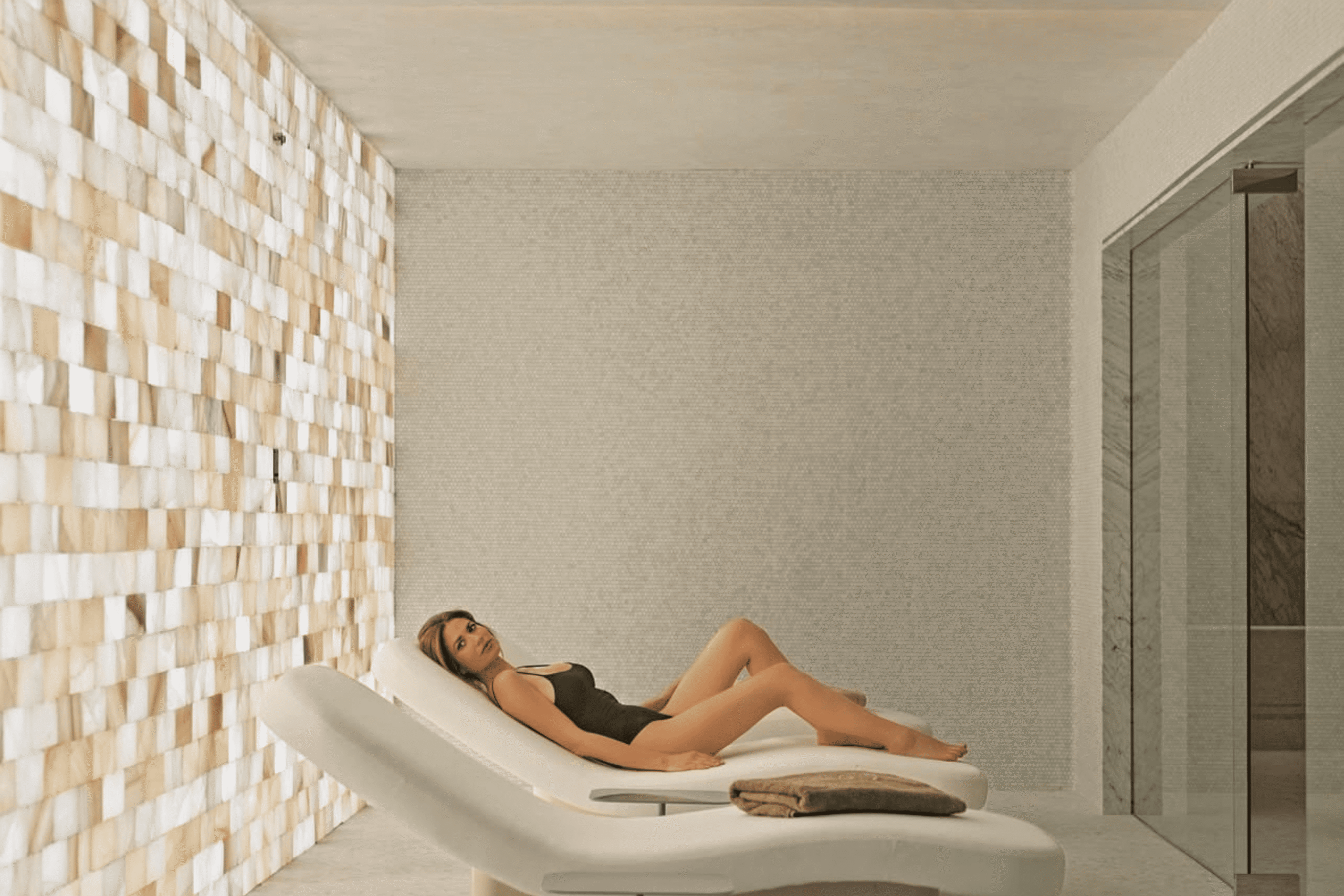
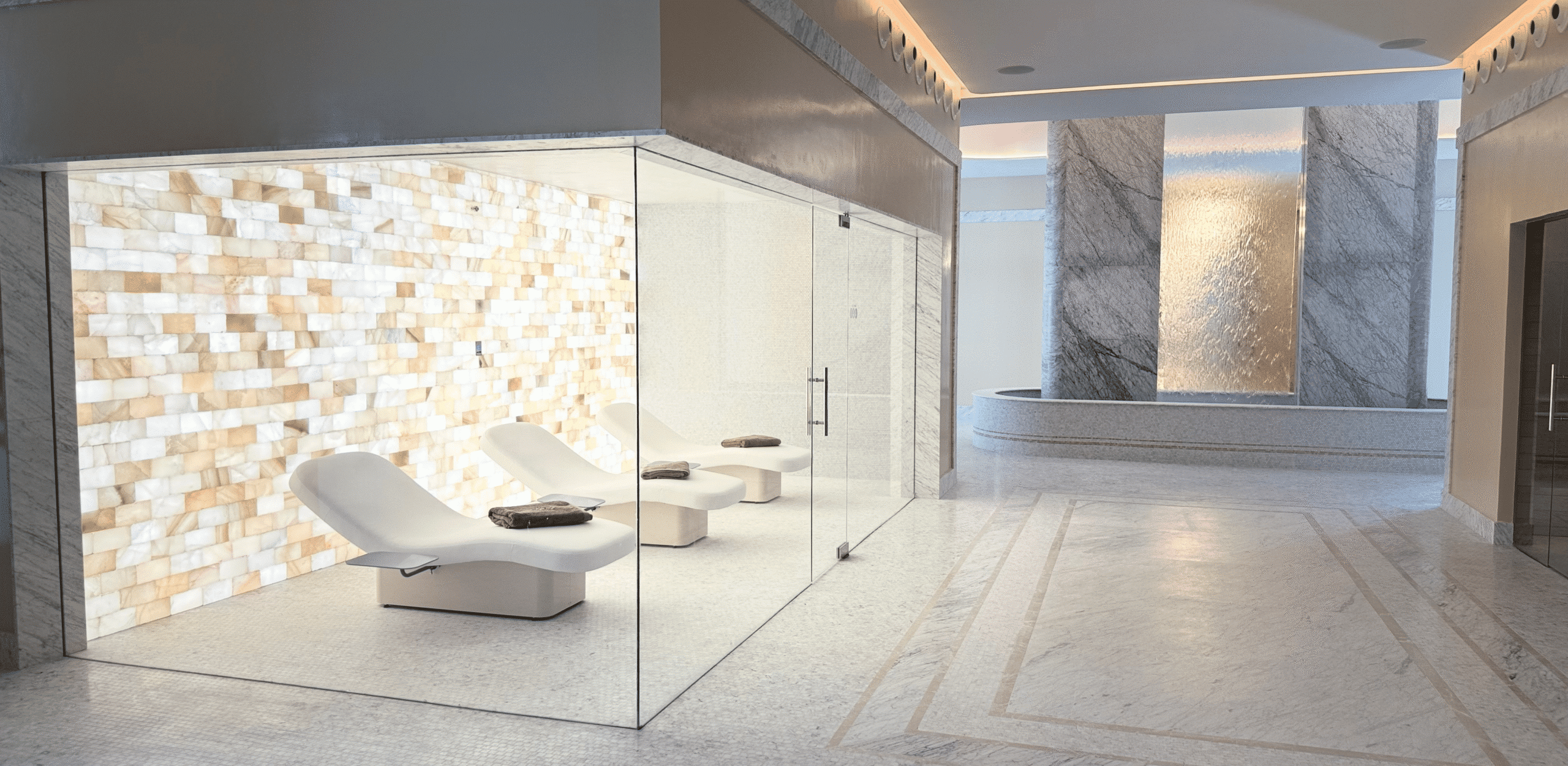
There are two main formats. A salt cave is a larger immersive space lined with salt on walls, floor and ceiling, designed for group sessions or full-sensory experiences lasting between 45 and 60 minutes. A salt room or salt cabin is a more compact, individual solution, equally effective and easier to integrate into an existing wellness circuit. Within this second category, the Himalayan salt room, built with blocks and crystals of this high-purity pink mineral salt, has become the most recognisable format in luxury hotels and longevity clinics.
Salt Cave Benefits: What It Brings to the Guest and the Project
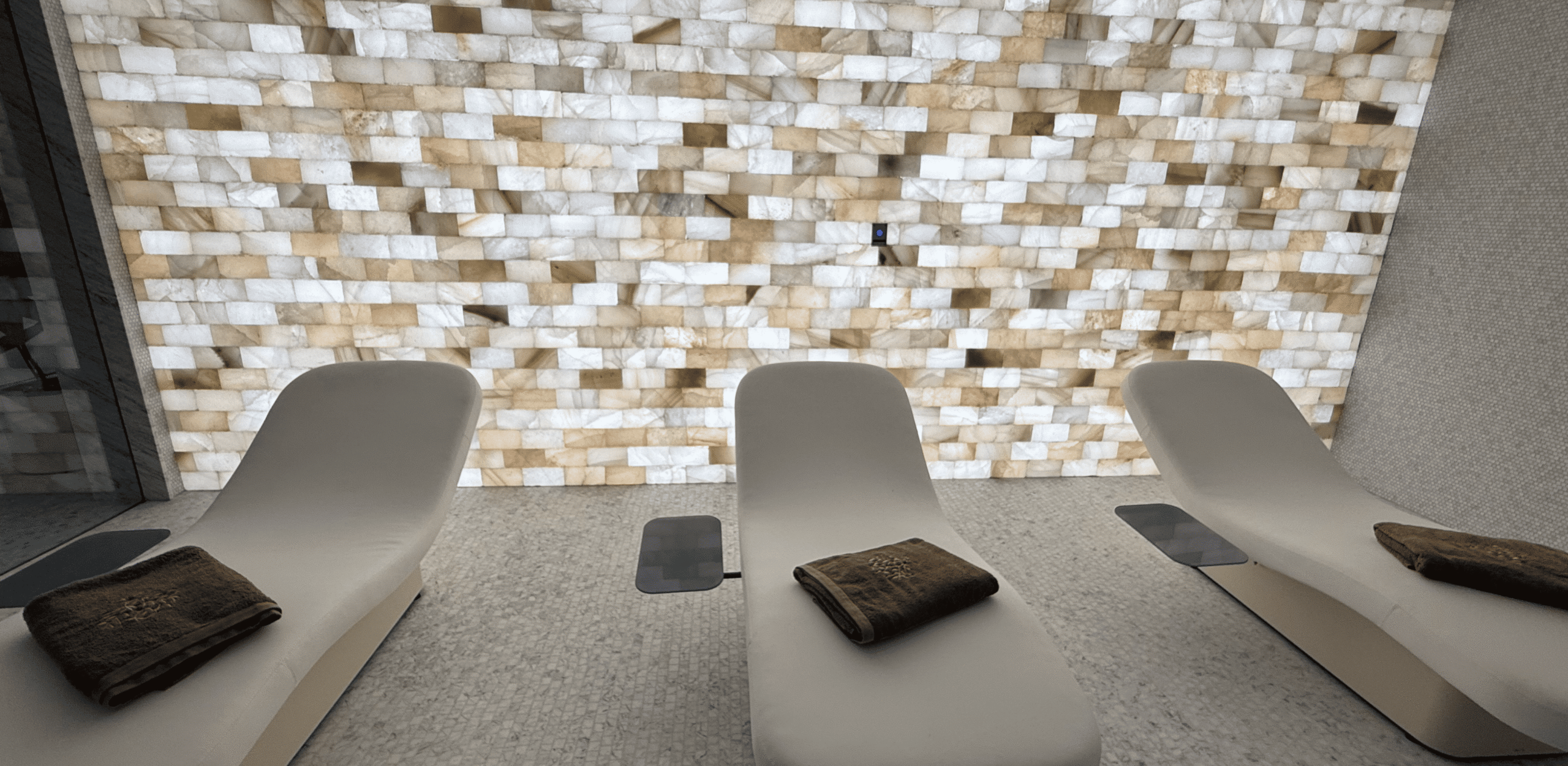
The benefits of a salt cave work on three levels that reinforce each other.
Respiratory health is where the evidence is strongest. The salt aerosol has anti-inflammatory, antibacterial and mucolytic properties. It helps clear mucus from the airways, reduces airway inflammation and improves lung capacity. It is particularly valued by guests with asthma, rhinitis, bronchitis or seasonal allergies, as well as high-performance athletes looking to optimise their oxygen uptake.
Skin health is the second axis. Salt particles stimulate microcirculation, improve skin texture and have a recognised supportive effect in conditions such as eczema, psoriasis and acne. In wellness centres with a strong aesthetic focus, this opens the door to high-value combined treatment protocols, particularly when halotherapy is paired with specific skincare treatments in a single guest journey.
Emotional and mental wellbeing is the third. The controlled microclimate of a halotherapy spa, with its silence, stable temperature and subdued lighting, produces a state of deep relaxation that many guests describe as a form of disconnection that other therapies struggle to replicate. The negative ions present in a salt environment are associated with greater calm, improved sleep quality and reduced cortisol levels.
For the project itself, the business case is solid: salt room therapy has low operational costs, requires no staff presence during sessions and generates a premium differentiator that justifies higher pricing. Compared to other spa installations of similar visual impact, the return on investment is remarkably favourable.
The Salt Cabin: A Rising Trend in High-End Wellness
The leading players in the sector confirm it: halotherapy has moved from a niche offering to an expected standard in the world’s best spas and longevity clinics. Its growth is being driven by several converging trends.
The first is the rise of medical and preventive wellness. The high-net-worth client is no longer simply looking to relax; they are looking for measurable health outcomes. Salt halotherapy fits that narrative because it is backed by a growing body of research, is completely natural and carries no side effects.
The second is the demand for unique sensory experiences. In a market with no shortage of saunas and jacuzzis, a salt cave or salt room offers something visually and experientially distinct, with an identity of its own that guests remember and share.
The third is its natural fit within longevity and sports recovery programmes, two of the fastest-growing segments within premium wellness. A halotherapy salt room slots naturally into both, whether as part of a post-workout recovery circuit or a multi-day longevity programme.
How to Design a Salt Room or Salt Cave
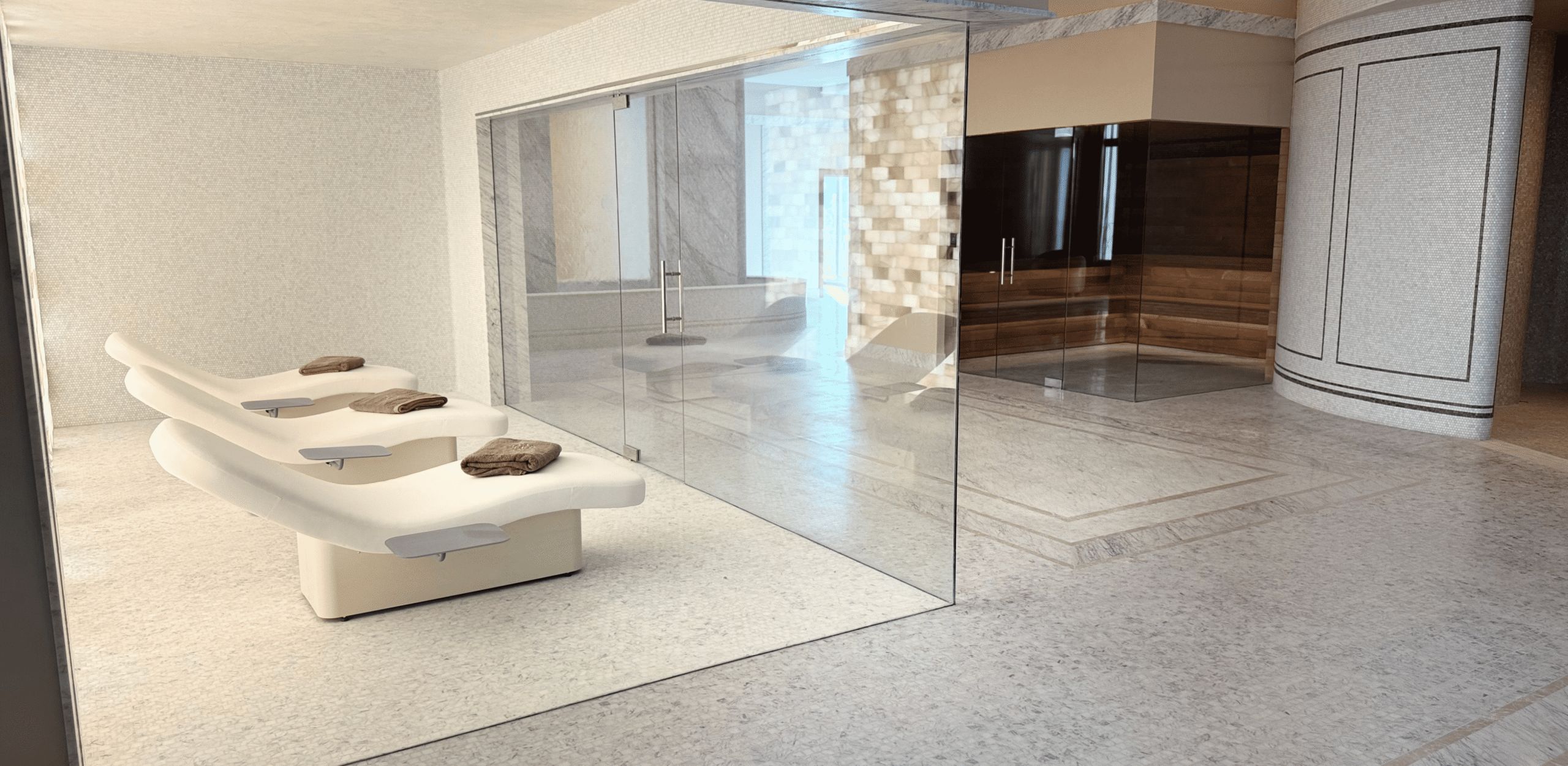
Every halotherapy project starts with defining its role: is this an immersive centrepiece of the wellness circuit, or a compact salt room integrated into a broader journey? That decision shapes the dimensions, the budget and the technology required. Getting this question right at the outset saves significant cost and avoids the most common design mistakes.
Technical Variables That Define the Outcome
Regardless of format, certain parameters are non-negotiable if the therapeutic result is to be guaranteed.
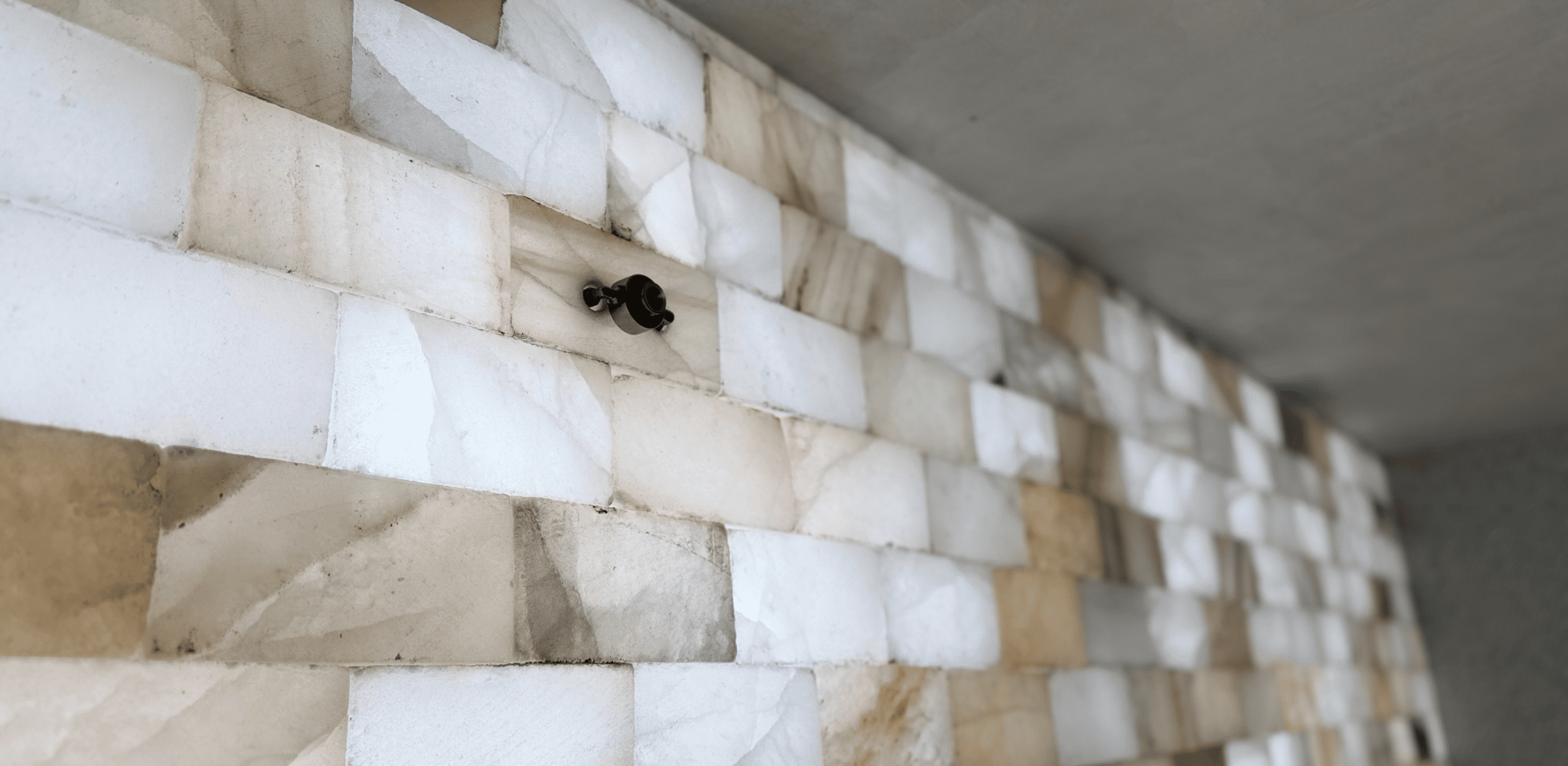
The halogenerator is the core of the system. Its output must be sized to the square meterage of the room: a 30m² space requires a different unit to an 80m² cave, and undersizing is the single most frequent error in salt room installations. Sealing is equally critical; the room must be airtight so that the aerosol concentration remains homogeneous throughout the session. Porous ceilings or poorly sealed windows compromise the entire treatment, regardless of how advanced the halogenerator is. Climate control must maintain temperature and humidity within the optimal ranges continuously, something standard HVAC systems are not built to manage and for which specific units are required. And every material, including electrical fittings, metal fixings and decorative elements, must be corrosion-resistant: salt deteriorates anything not selected with that criterion in mind, and the cost of replacing unsuitable materials mid-project is considerable.
Design Options: From the Compact Salt Cabin to the Immersive Cave
This is where design becomes a genuine differentiator, and where the gap between a good project and a truly memorable one is made.
Options range from flat wall panels with projected salt to hand-sculpted scenographies that authentically recreate the interior of a natural mine. Between the two extremes there is a wide spectrum: backlit Himalayan salt blocks, chromotherapy-integrated finishes, sculpted polystyrene ceilings, walkable granular salt floors or non-slip resin surfaces. Each choice carries implications for maintenance, longevity and the quality of the guest experience, so material selection should be treated as a technical decision as much as an aesthetic one.
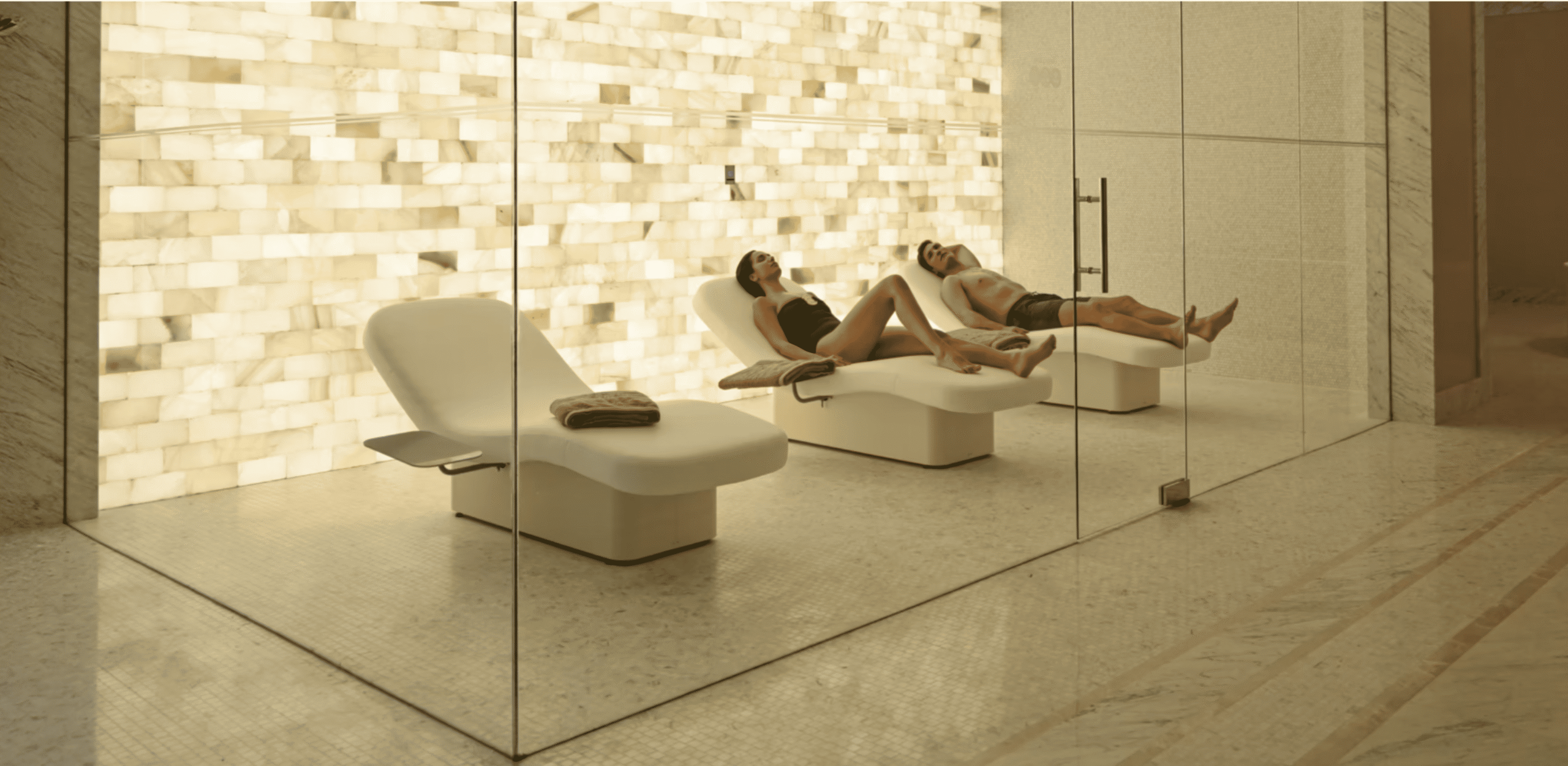
Lighting is not merely aesthetic; it defines the user’s sensory experience and directly influences the perceived quality of the session. In high-end projects it is combined with ambient sound design and aromatherapy to build a fully immersive environment where every sensory input is controlled and intentional.
The fundamental rule remains: design must serve efficacy. A visually stunning space that fails to maintain the correct technical parameters is, in the end, expensive decoration.
Integration of the Salt Cabin into the Wellness Circuit: Synergy with other Therapies
A salt room or salt cave performs best as part of a well-sequenced wellness circuit rather than as a standalone experience. The order of treatments matters more than most operators realise, and a poorly sequenced circuit can significantly reduce the perceived and actual benefit of each individual element.
The most effective placement is after heat, whether sauna, steam bath or hammam, and before the relaxation phase. Heat opens the pores and dilates the airways, significantly enhancing the absorption of the salt aerosol. The rest phase that follows allows the body to integrate the effects fully, and guests who move through the circuit in the correct order consistently report a noticeably deeper experience.
Combined with cryotherapy or contrast bathing, the synergy is also notable: the salt prepares the airways for the impact of cold and can reduce the subsequent inflammatory response, making the overall contrast therapy more comfortable and more effective.
In longevity clinics and medical wellness facilities, halotherapy spa sessions are typically woven into sports recovery protocols, respiratory detox programmes or dermatological support treatments, always as a complementary therapy alongside the primary medical intervention. In these contexts, the salt room becomes a billable, repeatable element of a structured programme rather than a one-off add-on, which changes its economics entirely.
At GodoPools, we approach these spaces as part of a holistic architecture of wellbeing. The circuit must follow therapeutic logic, not just aesthetic logic. The sequence of treatments, the placement of each space, the transitions between hot and cold zones, and the overall sensory journey are planned from the very first drawing.
Case Study: ZEM Wellness Clinic Altea
ZEM Wellness Clinic Altea is one of the most ambitious wellness projects in Europe in recent years: a Mediterranean longevity clinic combining a grand luxury hotel with 95 rooms and suites, a medical clinic and a 4,000m² wellness facility. GodoPools was responsible for designing and building the entire wellness area, integrating each treatment into a globally coherent high-level experience.
Within that ecosystem, the Himalayan salt room holds a central place in the ZEMness & Spa thermal circuit: a 2,000m² space that also includes a Finnish sauna, bio-sauna, hammam, cryotherapy, a snow cabin, a Watsu pool and an infrared cabin. The halotherapy salt room is not an add-on; it is one piece of a circuit designed with therapeutic logic from start to finish.
The result is a space that ZEM defines as the largest health spa in Europe and which has established itself as a benchmark for longevity tourism in Spain.
How GodoPools Can Help
If you are planning to incorporate a salt room or salt cave into your project, whether a hotel, a longevity clinic, a residential spa or an independent wellness centre, the starting point is always the same: defining what role it will play within the overall circuit and what experience you want your guest to have.
At GodoPools we work through that process from conceptual design to turnkey delivery, with the same approach we bring to every one of our integrated wellness design projects. If you want to explore which solution best fits your project, you can learn more about our treatment cabins or discover how we integrate salt room therapy within complete hydrotherapy circuits.
Talk to our team >> contact