
What is watsu?

The term “watsu” is a combination of the words “water” and “shiatsu” (a Japanese massage technique), reflecting the essence of this aquatic therapy.
Watsu was developed by Harold Dull in the 1980s in California, while teaching Zen Shiatsu at the Hot Springs Institute. Inspired by the therapeutic benefits of thermal water, Dull began to adapt shiatsu techniques to be performed in an aquatic environment, giving rise to this innovative practice.
Watsu is an aquatic therapy that combines the healing properties of water with Shiatsu massage techniques.
Originating in Japan, watsu is performed in a hot pool, where the therapist holds and guides the client through rhythmic movements and gentle stretches.
This holistic approach promotes deep relaxation, improving both physical and emotional health.
Benefits of watsu therapy
Watsu therapy offers a variety of therapeutic and well-being benefits that can be applied safely in a wellness area.
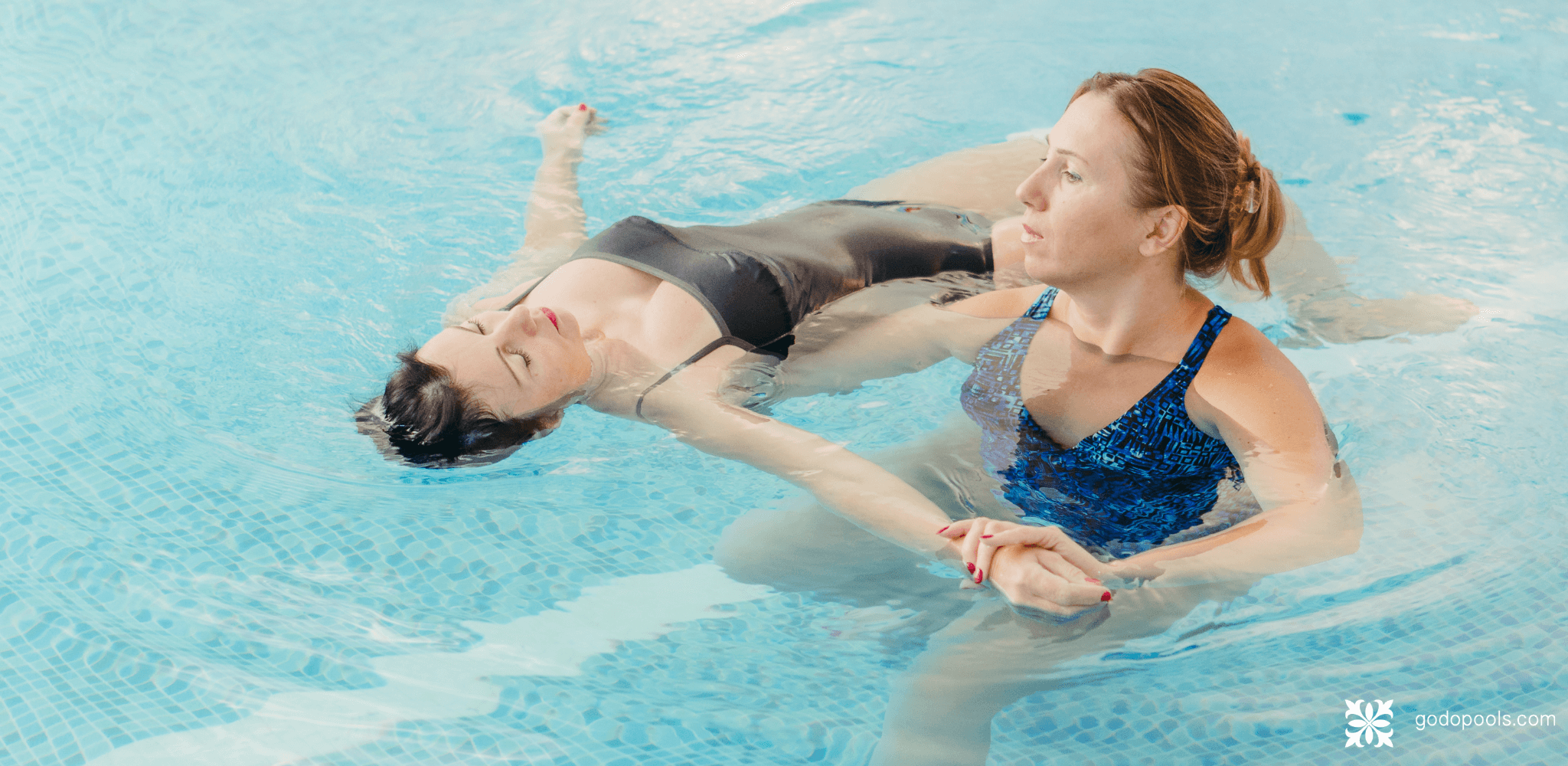
It must be taken into account that the main objective of watsu is to open the channels through which Chi energy circulates. To achieve this, a series of stretches are performed that strengthen the muscles and increase flexibility.
The advantage of watsu being performed in a specific pool is that the water reduces the weight supported by the vertebrae, allowing the spine to move in a way that would be impossible outside of the water.
The therapist will be able to relieve the pressure that the spine exerts on the nerves and even undo any possible dysfunction that this pressure may be exerting on the organs connected to those nerves.
In other words, the user who receives the Watsu session will feel the benefit of greater flexibility and freedom of movement. You might even feel a deeper connection and experience a series of more spiritual emotions and sensations.
The discipline of watsu, therefore, provides innumerable benefits not only on a physical level, but also psychologically. Among the most notable are:
- Reduction of stress and anxiety: The gentle movements and warm environment of the water induce deep relaxation and help in the treatment of anxiety, insomnia or even depression.
- Pain Relief: It is especially beneficial for people with chronic pain: fibromyalgia, back pain, osteoporosis or arthritis.
- Improved flexibility: Stretching in water increases mobility without putting pressure on joints and relieves muscle stiffness.
- Circulation stimulation: The therapy helps improve blood and lymph circulation.
- Emotional benefits: Provides a feeling of security and comfort, which can help in the management of emotional traumas and in cognitive behavioral therapies that seek to increase self-confidence, greater psychological balance or greater flexibility and tolerance towards setbacks of life.
- Improves digestion.
- Physical recovery after sports training.
- Reduction of migraines (frequency and intensity).
- Improvement of motor coordination capacity, integration of tonic reflexes and balance.
- Relief of impairments for children and adults with physical and mental disabilities.
Different modalities of watsu therapy

Watsu has evolved to include several modalities adapted to different therapeutic needs:
- Classic Watsu: Focused on relaxation and general well-being.
- Clinical Watsu: Used in physical therapy contexts for physical rehabilitation.
- Prenatal Watsu: Designed specifically for pregnant women, helping to relieve stress and pressure and physical discomfort, in addition to achieving greater circulation of nutrients in the body.
- Watsu CQ: Focused on small pools, like a jacuzzi.
- Woga (watsu + yoga): A fusion of two disciplines.
Why include watsu therapy in a wellness spa?
Including watsu therapy in a wellness spa offers a distinctive differentiating element in today’s market. This technique not only provides a holistic experience that combines gentle aquatic movements and warm water to induce deep relaxation, but also attracts a clientele seeking innovative treatments. Integrating watsu can position a spa as a leader in wellness therapies, standing out from the competition and offering something truly unique.
Watsu therapy has deep roots in Japanese culture and philosophy, allowing its inclusion in the spa to be part of a broader marketing strategy.
In fact, the principles of watsu align perfectly with concepts of rebirth, purification and holistic well-being, offering clients an immersive relaxation experience that complements other well-being practices influenced by Eastern philosophy, such as yoga, meditation, tai chi, acupuncture or even fasting.
Including watsu within the therapy menu of a wellness spa not only improves the perception of the spa as a comprehensive wellness refuge, but also enriches the overall service offering.

Additionally, watsu can be effectively merged with other wellness activities for which the same therapist may be equally prepared, thus amplifying its benefits and presenting a holistic approach to promoting physical and mental health.
This potential multifaceted integration will attract a diverse and demanding clientele seeking comprehensive, more complete and advanced treatments.
Furthermore, given that watsu therapy is still relatively unknown in Spain, including it within the spa as a therapeutic or relaxation treatment will position the spa as a reference destination for comprehensive care and relaxation.
Technical characteristics of a pool for watsu therapy
To implement watsu therapy in a wellness spa, it is essential to have a suitable pool. Technical features include:
- Water temperature: Maintain a constant temperature of around 37°C to promote muscle relaxation.
- Suitable depth: A depth of approximately 1.2 meters allows for controlled flotation.
- Ample space: Enough space to allow fluid movement and stretching. It is recommended to have approx. 12 m2
- Filtration and maintenance systems: Advanced systems to maintain water quality and cleanliness. Ideally, for the therapy to be 100% healthy, the water is treated with equipment that guarantees water free of chlorine and chemicals, such as Pure Pool Technology.
- Accessibility: Facilitate safe and comfortable access for all users, including people with reduced mobility.
Conclusion: Why is it beneficial for a wellness spa to include watsu therapy?
Watsu therapy is a valuable addition to any wellness spa, offering unique benefits that combine the healing power of water with traditional massage techniques.
By investing in the right facilities and training therapists, spas can offer a transformative experience that improves the physical and emotional well-being of their clients. If you are looking to differentiate your spa and attract a demanding clientele, watsu is an ideal option that should not be overlooked.
Talk to our team and we will advise you on the design and construction of a pool to practice watsu in your wellness spa. Our experience in designing wellness projects will be very beneficial for you to stand out in the market for luxury wellness areas.