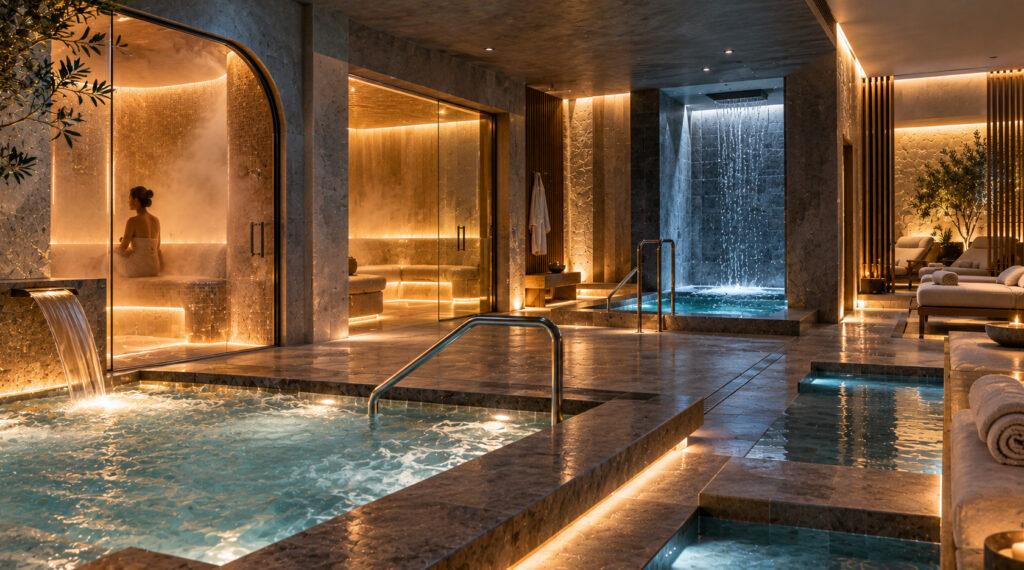
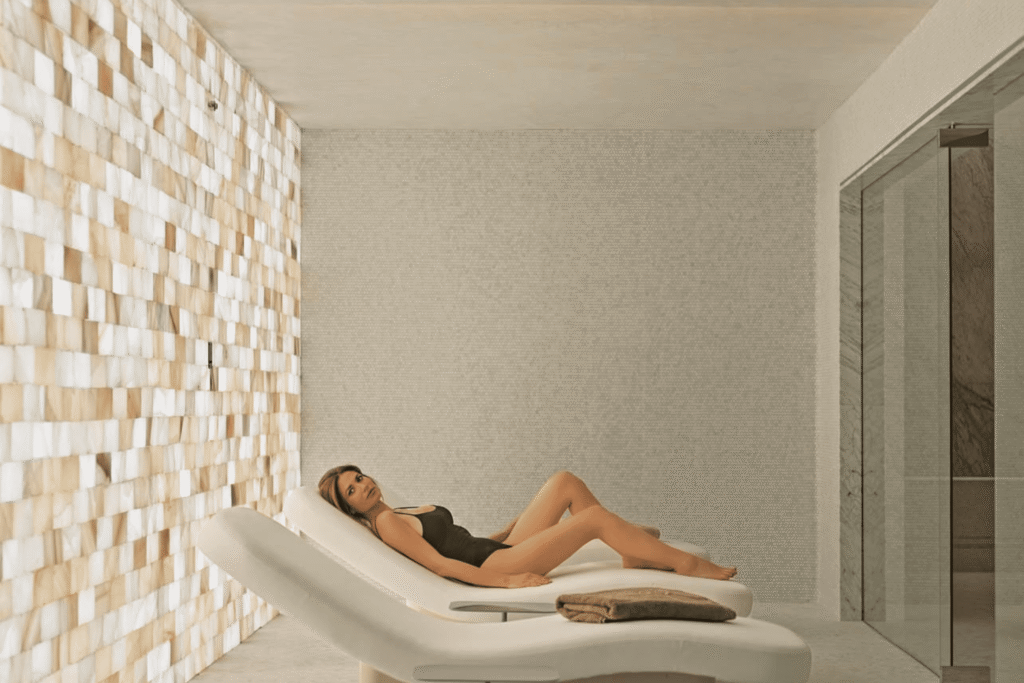
A great hydrotherapy circuit is never a random collection of amenities:
➜ It is a carefully sequenced wellness journey, where each space leads naturally to the next and the order itself is part of the experience.
When that sequence is well resolved, a thermal circuit becomes a genuine experience rather than a set of rooms.
This is the core of good hydrotherapy circuit design, and of our approach to wellness architecture.
Below we explore how a hydrotherapy circuit is sequenced, the spaces that compose it and the technical decisions that make the difference between a beautiful spa and one that truly works.
We invite you to read on.
What is a hydrotherapy circuit?
A hydrotherapy circuit is a structured progression through phases of heat, cold and rest, using saunas, steam rooms, pools and showers to support circulation, recovery and relaxation.
It is the backbone of any high-end thermal circuit spa.
The alternation of heat and cold follows a structured rhythm and criterion, and what contemporary design adds is the technical precision needed to turn that sequence into a fluid, well-integrated journey.
As we explain in our guide to the types of hydrotherapy, carefully calibrated temperature, contrast and rest work together to shape the thermal experience the user remembers.
The logic of the sequence: heat, contrast and rest
Many thermal circuits incorporate sequences of heat, contrast and rest, but there is no single formula applicable to every project.
➜ The journey should be defined according to the wellness concept, the available spaces, the type of user and the experience to be created.
The table below summarises the role of each phase within the spa circuit design:
| Phase | Its role within the hydrotherapy circuit |
| Heat | Sauna, steam room or other thermal experiences introduce different temperature and humidity conditions within the journey. |
| Contrast | Cold plunges, contrast showers, ice or snow can introduce a change in temperature relative to the heat phases. |
| Water and hydrotherapy | Pools, jets, air beds, waterfalls and other water stations introduce different experiences within the journey. |
| Rest | Relaxation areas, heated benches and quiet spaces introduce pauses within the journey and prolong the experience. |
The order matters as much as the spaces themselves.
When the project incorporates contrast experiences, their position and relationship with the heat and rest phases should be studied as part of the overall journey, which is why the sequencing has to be designed rather than left to chance.
The spaces that compose the wellness hydrotherapy circuit
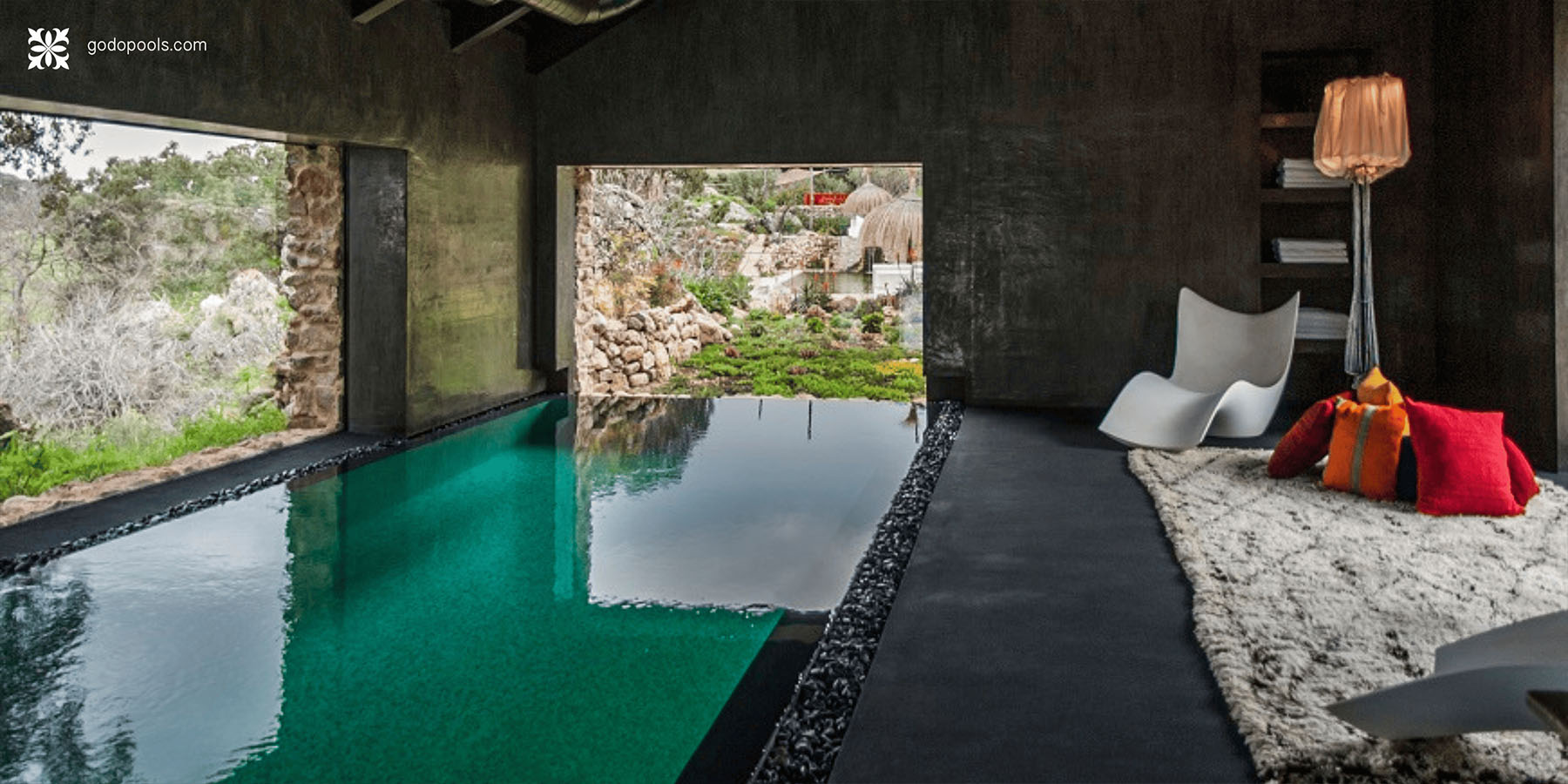
A hydrotherapy circuit brings together a range of thermal and water experiences, coordinated as one.
➜ As mentioned earlier, the exact combination depends on the project, the available space and the wellness concept behind it.
Common elements include:
-
- The sauna and steam room, whose design shapes the heat phase.
-
- Hydrotherapy pools with jets, air beds, waterfalls and other water stations.
-
- Cold plunges, sensory showers, contrast showers and other thermal experiences for the contrast phase.
-
- Heated benches and relaxation areas for rest.
Each is a piece of a larger spa design, not a standalone feature.
This is where hydrotherapy design stops being understood in isolation and becomes part of an overall Architecture of Wellbeing strategy.
The value lies in how the spaces relate to one another, the same principle that governs how a pool and spa are integrated into a hotel as a coherent whole.
Designing the wellness journey
Sequencing the wellness journey means thinking about how a user moves through the space, from arrival to the final moment of rest.
The spa journey should feel natural, with each transition guiding the body from one phase to the next.
Adjacencies are decisive. When the journey incorporates consecutive heat and contrast experiences, their proximity and connection should be studied so the transition is clear, comfortable and coherent; and the relaxation areas should be protected from the noise and movement of the more active zones.
A poor relationship between these zones can produce unintuitive routes, unnecessary crossovers or interference between active spaces and relaxation areas.
➜ It is worth remembering that there is no single universal sequence.
The right thermal journey depends on the wellness concept, the user profile and whether the setting is a private residence or a commercial spa, so it should be studied for each project.
In hospitality projects, the anticipated occupancy, the simultaneous flows of users and the operation of the establishment must also be considered.
The technical foundation behind the wellness experience
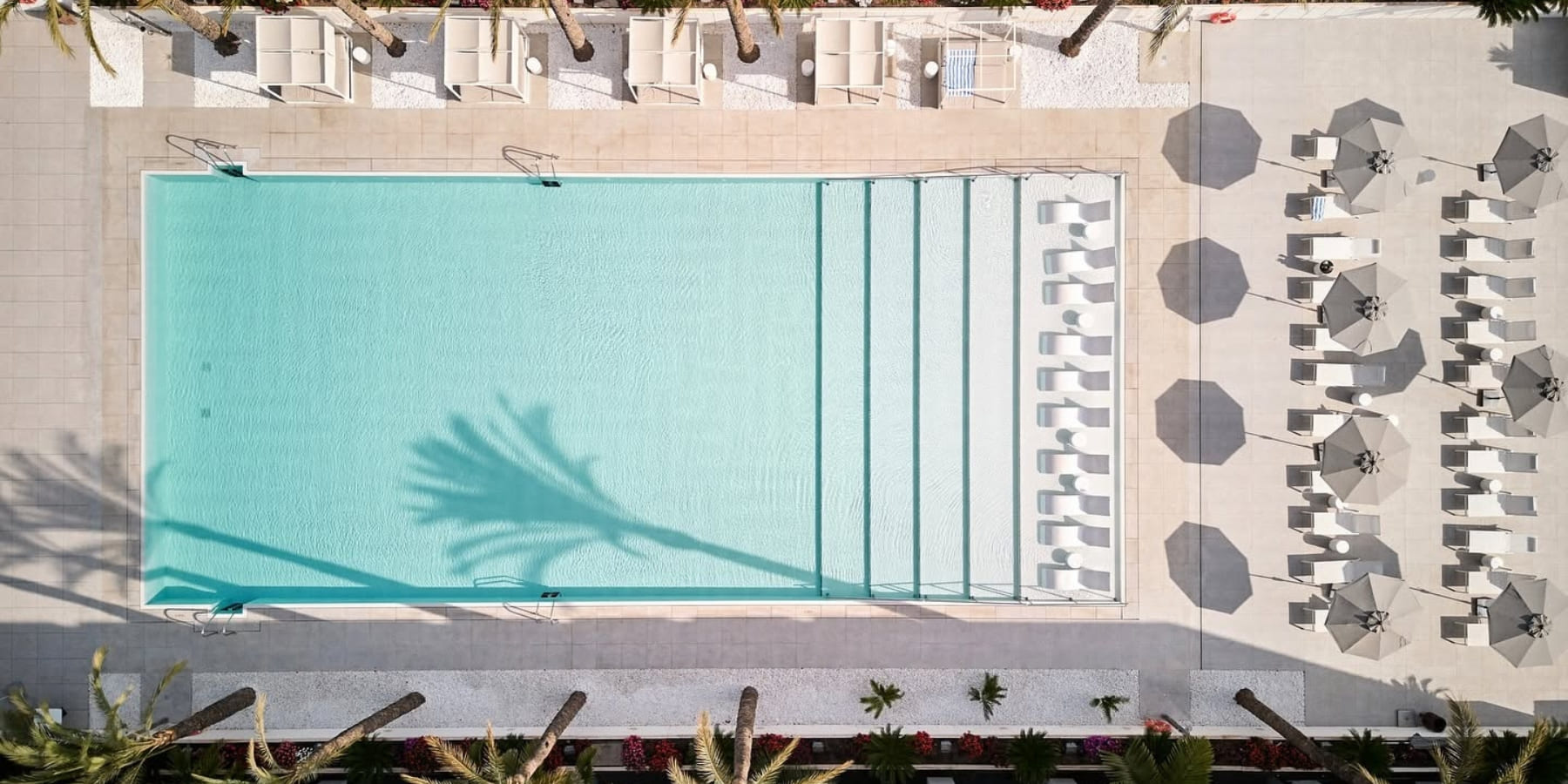
The visible experience depends on a technical infrastructure that must be resolved from the earliest phases of the project.
Wet environments demand precise control of the indoor climate.
Ventilation, dehumidification, temperature, humidity and the ambient conditions of the space must be coordinated to limit condensation and protect both comfort and the building envelope.
Water treatment and the ambient conditions of the space must be coordinated, particularly in indoor and intensively used installations.
Acoustics, lighting and materials complete the picture, shaping the atmosphere of each space within the hydrothermal circuit while keeping the whole coherent.
At GodoPools we integrate these requirements within the technical development of the project, coordinating hydraulics, climate control, ventilation and dehumidification with the architecture, so that the experience, the technical operation and the architecture respond to a single project strategy.
From isolated features to a coherent journey
The difference between a collection of thermal cabins and a genuine hydrotherapy circuit lies in coordination.
The sauna, the steam room and the various pools only form a true wellness circuit when they are conceived as the stages of a single experience.
This is the essence of an Architecture of Water, Wellness and Fitness approach: integrating design, engineering, technology and execution from the earliest phases, so the result is coherent with the architecture, the setting and the way it will be used.
Conclusion
A well-designed hydrotherapy circuit turns water, heat and cold into a structured, memorable wellness experience.
From the logic of the sequence to the design of the whole spa and the engineering behind it, every decision shapes how the circuit is ultimately perceived.
This is the core of our wellness architecture.
At GodoPools we develop and validate Architecture of Water and Wellness solutions from an architectural, hydraulic and constructive perspective, also integrating the climate control, ventilation and dehumidification each project needs.
Whether you are developing a private residence, a hotel, a resort or a high-end wellness space, our team can help you define the concept, the sequence of experiences, the layout of the spaces and the technical integration needed to develop a bespoke wellness circuit from its earliest phases.
Frequently asked questions (FAQs)
➜ What is a hydrotherapy circuit?
It is a structured sequence of heat, cold and rest phases, using saunas, steam rooms, hydrotherapy pools and showers to support wellbeing, recovery and relaxation. It is the core of any thermal circuit spa.
➜ What sequence should a hydrotherapy circuit follow?
There is no single sequence. Many circuits combine phases of heat, contrast, water and rest, but their combination and order should be defined according to the wellness concept, the available spaces, the user profile and the type of installation.
➜ What spaces make up a hydrotherapy circuit?
It may incorporate, depending on the project concept, saunas, hammam or steam rooms, hydrotherapy pools, cold plunges, sensory showers, contrast experiences and relaxation areas.
Their combination and sequencing define the wellness circuit and the thermal experience the user enjoys.
➜ What are the main technical challenges of a hydrotherapy circuit?
Among the main challenges are the hydraulic engineering and water treatment, temperature and humidity control, ventilation and dehumidification, acoustics, the integration of equipment and the coordination of all these systems with the architecture.