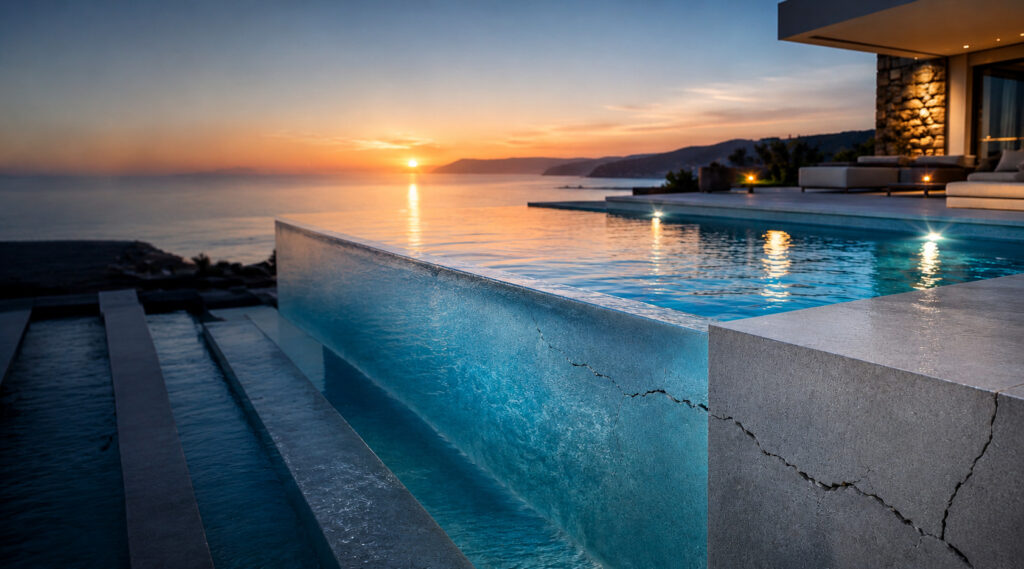
In today’s article, we’ve decided to talk about aromatherapy in swimming pools and other aquatic facilities. As you may know, at GodoPools we are experts in the design and construction of luxury pools, and techniques like aromatherapy are increasingly popular in all types of pools. We’ll start by explaining what aromatherapy is, then continue by discussing its benefits, how to personalize the experience, and answering some common questions.
What is aromatherapy?

Aromatherapy is a therapeutic discipline that uses natural essential oils extracted from plants, flowers, leaves, and fruits to promote physical and emotional well-being. Through inhalation or cutaneous absorption of these essences, healing and relaxing processes can be activated in the body.
When applied in aquatic environments, such as swimming pools or whirlpools, aromatherapy enhances its effects thanks to the synergy between contact with water, heat, and fragrance.
Aromachology and multisensory experience
Aromacology, the science that studies the influence of odors on human behavior, supports the use of scents in swimming pools as part of a comprehensive wellness treatment. It’s not just about smelling good, but about creating a complete sensory experience.
Benefits of aromatherapy in water

Aromatherapy in pools and spas not only offers sensory delight, but also important therapeutic benefits:
Physical benefits
- Muscle relaxation thanks to heat and essential oils such as eucalyptus and lavender.
- Relief from joint and muscle pain.
- Improves blood circulation.
- Skin purification thanks to essences with antibacterial properties.
Emotional benefits
- Reduction of stress and anxiety.
- Improves mood.
- Boosts memory and concentration.
- Promotes restful sleep.
Aromatherapy for swimming pools: how to personalize the experience
Personalizing your pool or spa with aromatherapy is easy and adds value to your relaxation space.
Options for integrating aromatherapy into water
- Aquatic aromatherapy diffusers: specialized systems for distributing fragrances without altering water chemistry.
- Pool fragrances: products specifically formulated for use in aquatic environments.
- Soluble crystals and oils: ideal for whirlpools and spas where the concentration is lower.
Personalization by type of need
- Refreshing aromatherapy: with peppermint or eucalyptus oils for an invigorating effect.
- Relaxing aromatherapy: lavender, chamomile, or sandalwood for a calming atmosphere.
- Hydromassage with oils: the perfect combination for those seeking relief from tension or muscle tension.
Aromatherapy in wellness areas: relaxation and well-being

Aromatherapy has established itself as an essential component in wellness areas, enriching the sensory experience and aromatherapy in pools and relaxation centers in various spaces designed for well-being. Below, we’ll explain in detail how aromatherapy is integrated into different environments within a wellness area:
Multi-sensory seasonal shower
Multi-sensory showers combine different effects such as temperature variations, water pressure, lighting, and, of course, aromatherapy. By incorporating specific scents, they seek to stimulate the senses and provoke positive emotional responses. For example:
- Mint or Eucalyptus: Provides a refreshing and invigorating sensation, ideal for revitalizing the body and mind.
- Lavender or Chamomile: Offers relaxing effects, helping to reduce stress and anxiety.
These combinations transform a simple shower into a multisensory experience that contributes to physical and emotional balance.
Sauna
Integrating aromatherapy into saunas enhances their traditional detoxifying and muscle-relaxing effects. By adding essential oils to the warm environment, additional benefits can be achieved:
- Eucalyptus: Helps open the airways, improving breathing and providing a feeling of freshness.
- Pine: Provides purifying and revitalizing properties, evoking the sensation of being in a forest.
The combination of dry heat and specific aromas in the sauna creates an environment conducive to deep relaxation and general well-being.
Hammam (Turkish Bath)
In the hammam, characterized by its warm, humid environment, aromatherapy plays a crucial role in the experience of relaxation and purification. Incorporating essences into the steam can:
- Rose or Jasmine: Provide a feeling of luxury and well-being, as well as benefits for the skin.
- Orange or Lemon: Offer revitalizing and energizing properties, improving mood.
The synergy between steam and selected aromas in the hammam contributes to a cleansing and renewing experience, both physically and mentally.
Biosauna
The bio sauna is a variation of the traditional sauna that operates at lower temperatures and with higher humidity, creating a less intense environment. Aromatherapy in this space is used to:
- Lavender: Promotes relaxation and aids sleep.
- Citrus: Provides freshness and stimulates the senses, ideal for revitalizing the body.
This combination of ambient conditions and specific aromas in the bio sauna offers a gentle alternative for those seeking relaxation without the extreme heat of a conventional sauna.
Salt Cabin

Himalayan salt cabins are designed with walls lined with Himalayan salt bricks and often include a salt nebulizer that disperses microparticles into the air. Aromatherapy in these cabins is complemented by:
- Herbal Essences: Such as thyme or sage, which can enhance the purifying effects and improve breathing.
- Lavender or Chamomile: To promote deep relaxation and relieve stress.
The combination of halotherapy (salt therapy) with aromatherapy in these cabins offers respiratory and dermatological benefits, as well as a profound sense of well-being.
Integrating aromatherapy into these diverse spaces within a wellness area not only enriches the sensory experience but also amplifies the therapeutic benefits of each environment, contributing to comprehensive and holistic well-being.
Benefits for body and mind in wellness spaces
The conscious use of aromatherapy in wellness areas goes far beyond olfactory pleasure. In these environments specially designed for disconnection and self-care, aromas become therapeutic tools capable of comprehensively modulating physical, emotional, and mental states.
Physical effects enhanced by synergy with the environment:
- Improved oxygenation: In cabins such as hammams or bio-saunas, where the humid heat dilates pores and promotes circulation, essential oils penetrate more easily through the skin, enhancing their detoxifying effect and stimulating cellular oxygenation.
- Deep muscle relaxation: Combined with contrast showers or hydromassage, aromatherapy helps release accumulated physical tension, ideal after a workout or a stressful day.
- Immune boost: Some oils, such as eucalyptus or tea tree, have antibacterial and antiviral properties, which are enhanced when diffused in spaces such as saunas or salt cabins.
Emotional and cognitive effects
- Inducing prolonged states of calm: Aromas such as lavender, bergamot, and clary sage act directly on the limbic system, helping to reduce cortisol levels (the stress hormone) and promoting a lasting feeling of well-being, even after the wellness session ends.
- Promoting mindfulness: In spaces such as meditation rooms or sensory booths, aromas act as sensory anchors that help focus the mind on the present, promoting states of mindfulness and digital disconnection.
- Emotional balance: The combination of thermal, light, and aromatic stimuli helps regulate mood. For example, citrus fruits can revitalize people with fatigue, while chamomile or neroli induce introspection and rest.
Aromatherapy as a comprehensive complement
Ultimately, when applied strategically in wellness spaces, aromatherapy not only complements treatments but also enhances them naturally and without side effects. It elevates the user experience, improves the effectiveness of body therapies, and contributes to a holistic approach to health that treats the body, mind, and emotions as a whole.
Aromatherapy for luxury hotels
In the hotel sector, and particularly within the premium wellness segment, integrating aromatherapy into pools, spas, and water features has become a differentiating strategy that not only provides well-being but also enhances sensorial identity.

It’s about offering a multisensory experience that leaves a lasting impression, raising the standard of service without the need for constant staff intervention.
Added value for the customer: more than well-being, an immersive experience
- Premium experience without additional intervention: Aromatherapy can be automatically integrated into diffusion systems, whether in heated pools, sensory showers, or spas. This allows guests to enjoy a therapeutic and personalized atmosphere from the first contact, without having to explicitly request it. The aroma acts in a subtle yet powerful way, enveloping the guest in an immediate feeling of relaxation and comfort.
- Memorable stays through aroma: It has been proven that aromas have a strong connection with emotional memory. A guest who associates their stay with a pleasant scent (relaxing lavender in the spa area, revitalizing eucalyptus in the sauna, citrus in the outdoor pool) builds a sensory imprint that lasts over time and fosters loyalty.
- Brand identity through olfactory branding: Many luxury hotels already use exclusive scents in the reception or guest rooms, but extending this sensorial identity to the wellness area amplifies the brand’s impact. Incorporating a distinctive scent into the spa or pool creates an atmosphere consistent with the hotel’s values: sophistication, nature, serenity, or vitality, depending on the desired positioning.
- Perception of exclusivity: In a market where differentiation is everything, aromatherapy provides a sense of personalization and attention to detail. Guests feel that everything has been designed for their well-being, from the water temperature to the aroma that accompanies them during their relaxation ritual.
Aromatherapy as a therapeutic service in wellness hotels
- Ideal complement for luxury spas: Aromatherapy can be integrated as part of wellness circuits that include salt cabins, sensory showers, hammams, or bio-saunas. It adds value to the protocol without increasing personnel costs.
- Synergy with manual treatments: It enhances the effectiveness of massages, wraps, or facials by creating a complete sensorial environment. The coordinated use of aromas in cabins, pools, and common areas maximizes the client’s perception of well-being.
- Adaptability to seasons and events: Wellness hotels can vary their aromas according to the season, holidays, or special themes (for example, a “spring detox” campaign with citrus and rosemary essences), creating unique and exclusive sensations for each visit.
In short, aromatherapy not only enhances the water experience: it transforms well-being into an emotionally luxurious experience, subtle and memorable, perfectly aligned with the expectations of the most demanding customers.
Types of aromatic products for swimming pools
There are different categories of pool aromatherapy products, each tailored to a specific type of use or maintenance system.

Main products available
- Soluble essential oils: easy to dissolve, leave no residue.
- Foam-free pool essences: do not interfere with filtration.
- Aromatic salts and crystals: ideal for spas or whirlpools.
- Automatic diffusers: programmable to distribute fragrances at intervals.
Examples of common aromas
- Lavender: relaxing and anti-anxiety.
- Eucalyptus: clears the respiratory tract and revitalizes.
- Citrus: stimulating and purifying.
How to choose scents for your pool or spa
Selecting the right aromas for the aquatic experience is key to creating an atmosphere consistent with the wellness goals and user profile. In luxury wellness settings, this choice becomes even more strategic, as every sensorial detail must respond to a sophisticated, intentional, and personalized experience design.
Factors to consider
- Therapeutic or emotional objective:
Define what you want to generate in the user:- Deep relaxation: aromas such as lavender, cedarwood, vetiver, or sandalwood.
- Energy and revitalization: mint, eucalyptus, lemon, or rosemary.
- Detox and purification: sage, tea tree, or grapefruit.
- Meditation or introspection: frankincense, myrrh, neroli, or patchouli.
- User type and their olfactory sensitivity:
Consider whether the scents will be exposed to families with children, seniors, or adults with specific needs (such as sensitivity to certain compounds or allergies).- For family settings: gentle and safe scents such as chamomile or mandarin.
- For adult customers seeking a more intense experience: complex blends with deep woody or floral notes.

- Season of the year:
Adjusting the aromas according to the climate is not only consistent, but also enriches the sensory experience.- Summer: Fresh, citrus or herbal fragrances that stimulate and refresh.
- Winter: warm and enveloping notes such as cinnamon, vanilla, ginger or amber.
- Brand identity or wellness space concept:
In luxury hotels or spas, the scent should be aligned with the overall olfactory branding. If the hotel is inspired by Mediterranean nature, for example, rosemary, lavender, and citrus oils could be used. If it conveys an oriental atmosphere, notes of green tea, jasmine, or oud wood could be chosen. - Wellness circuit design:
The scent can also vary depending on the stay or experience within the spa. For example:- In your seasonal shower, something fresh and energizing like eucalyptus.
- In the meditation room or relaxation area, softer notes such as lavender or sandalwood.
- In the hammam or sauna, purifying aromas such as eucalyptus or pine.
Extra tip for premium environments
In high-end wellness spaces, it’s recommended to work with suppliers specializing in professional hydrotherapy aromas, who can design exclusive blends or curate olfactory selections tailored to the establishment’s needs. This customization contributes not only to comfort but also to brand positioning.
Practical tips
- Avoid chemical or overly strong odors.
- Test with small doses before using the entire pool.
- Check to see if the aromas affect the water chemistry.
Impact of Aromatherapy on Water: Considerations to Keep in Mind
Although aromatherapy provides significant benefits, it is important to consider its effect on water quality.
Maintenance and precautions
- Compatibility with filtration systems: Use non-greasy, non-foaming products.
- pH and chlorine: Some oils can alter these levels.
- Frequency of use: Follow the manufacturer’s instructions.
Choose safe products
- Make sure they’re pool-safe.
- Opt for brands with experience in aquatic products.
Conclusion: Elevate your luxury experience with aromatherapy in pools and spas

Aromatherapy in aquatic environments has moved beyond a mere trend and has established itself as an expression of conscious luxury and holistic well-being. In today’s context, where relaxation spaces are conceived as personal retreats or memorable experiences for discerning guests, integrating therapeutic aromas into pools, spas, and wellness areas is a decision that makes a difference.
It’s not just about smelling good, but about creating multi-sensory moments that awaken emotions, build customer loyalty, and elevate the perceived value of the space. Whether in a private whirlpool, a boutique bio-sauna, or a five-star hotel spa, the right scent transforms the ordinary into the extraordinary.
At GodoPools, we don’t just design pools; we design experiences. If you’re thinking about incorporating aromatherapy systems into your project, whether for private or hotel use, we can help you create a unique space that speaks to your brand, your style, and your vision of wellness.
Contact us and discover how to turn your pool into a truly exciting space.
Frequently Asked Questions (FAQ)
Pool and spa-specific products are formulated to dissolve easily, prevent foaming, and prevent water chemistry. They’re also designed to integrate with filtration systems without compromising their performance.
Yes. In luxury spaces, it’s common to develop exclusive olfactory branding. You can work with specialized suppliers or contact us at GodoPools to help you integrate this sensorial strategy into your pool or wellness area.
Aromas such as lavender, vetiver, sandalwood, incense, and neroli are excellent for promoting body-mind balance and accompanying practices such as meditation, mindfulness, and deep relaxation.
Yes. There are professional programmable diffusers that integrate discreetly into the pool or spa’s technical system, allowing for controlled and consistent fragrance distribution without manual intervention.
It provides a lasting sensory impression, enhances the perception of exclusivity, and heightens the emotional memory of the stay. Aroma can become a hallmark of the guest’s overall experience.
Ideally, it should be considered from the design phase. At GodoPools, we advise you on integrating aromatherapy systems tailored to your space, style, and objectives, whether in a residential, wellness, or high-end hotel setting.