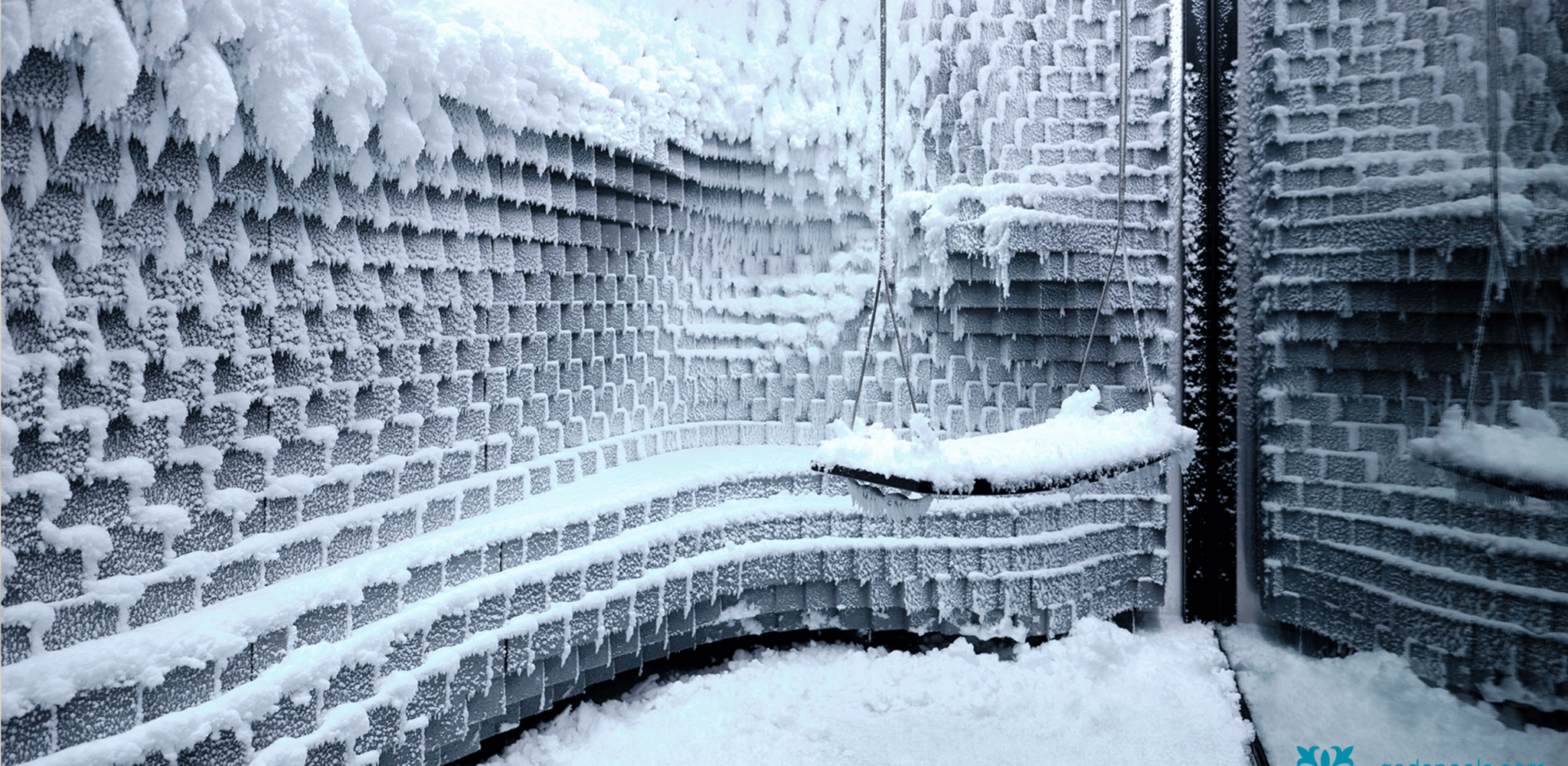
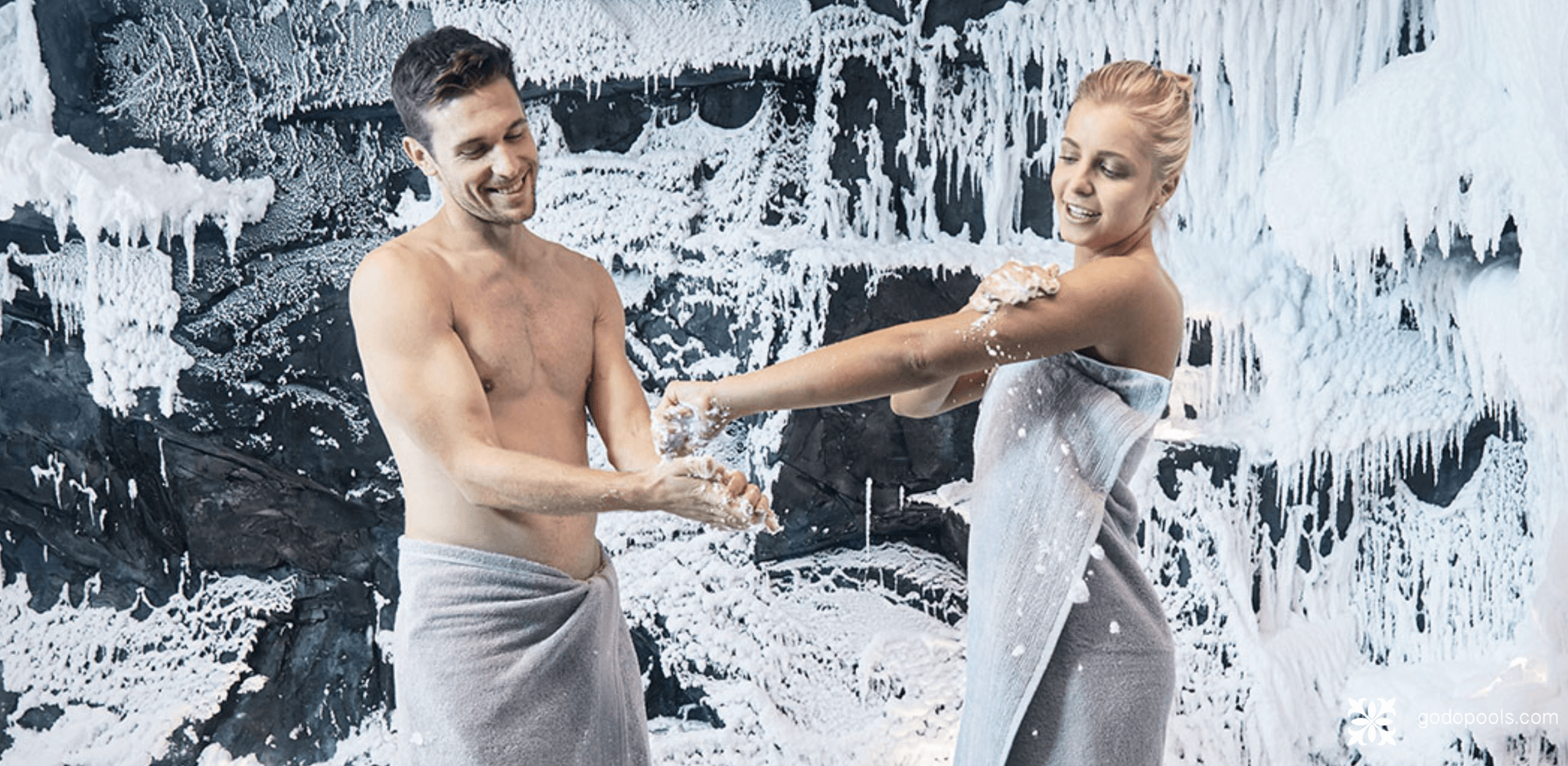
Imagine entering a room where snow covers the environment, offering an experience that evokes the intense cold of northern winters, but in the wellness space.
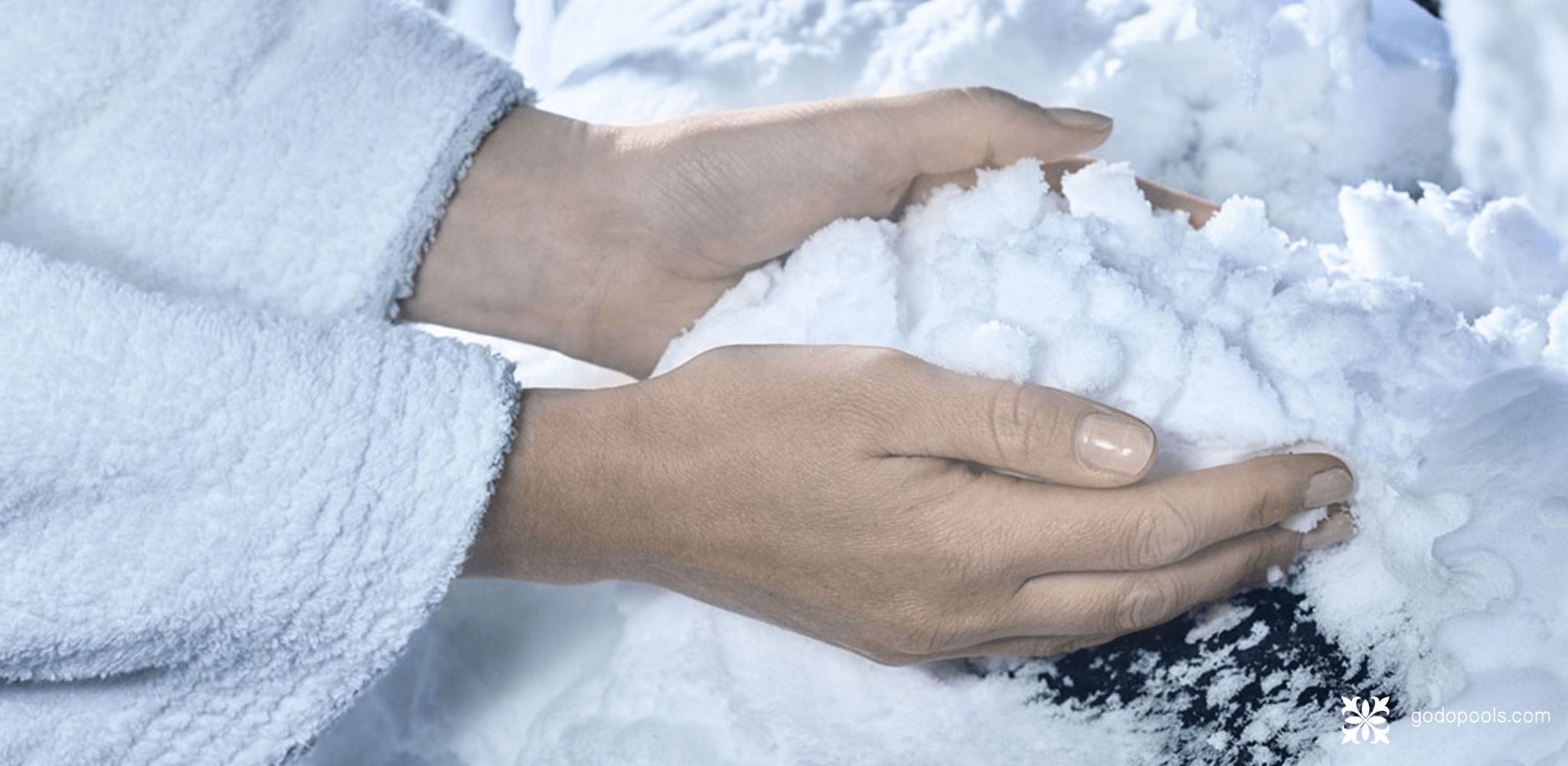
The snow cabin provides this refreshing sensation in a completely natural way, generating snow only with air and water, without the need for chemicals. Its environment, between -3ºC and -12ºC, is designed to provide an immediate thermal contrast after heat sessions, such as saunas or steam baths, revitalizing the body and mind.
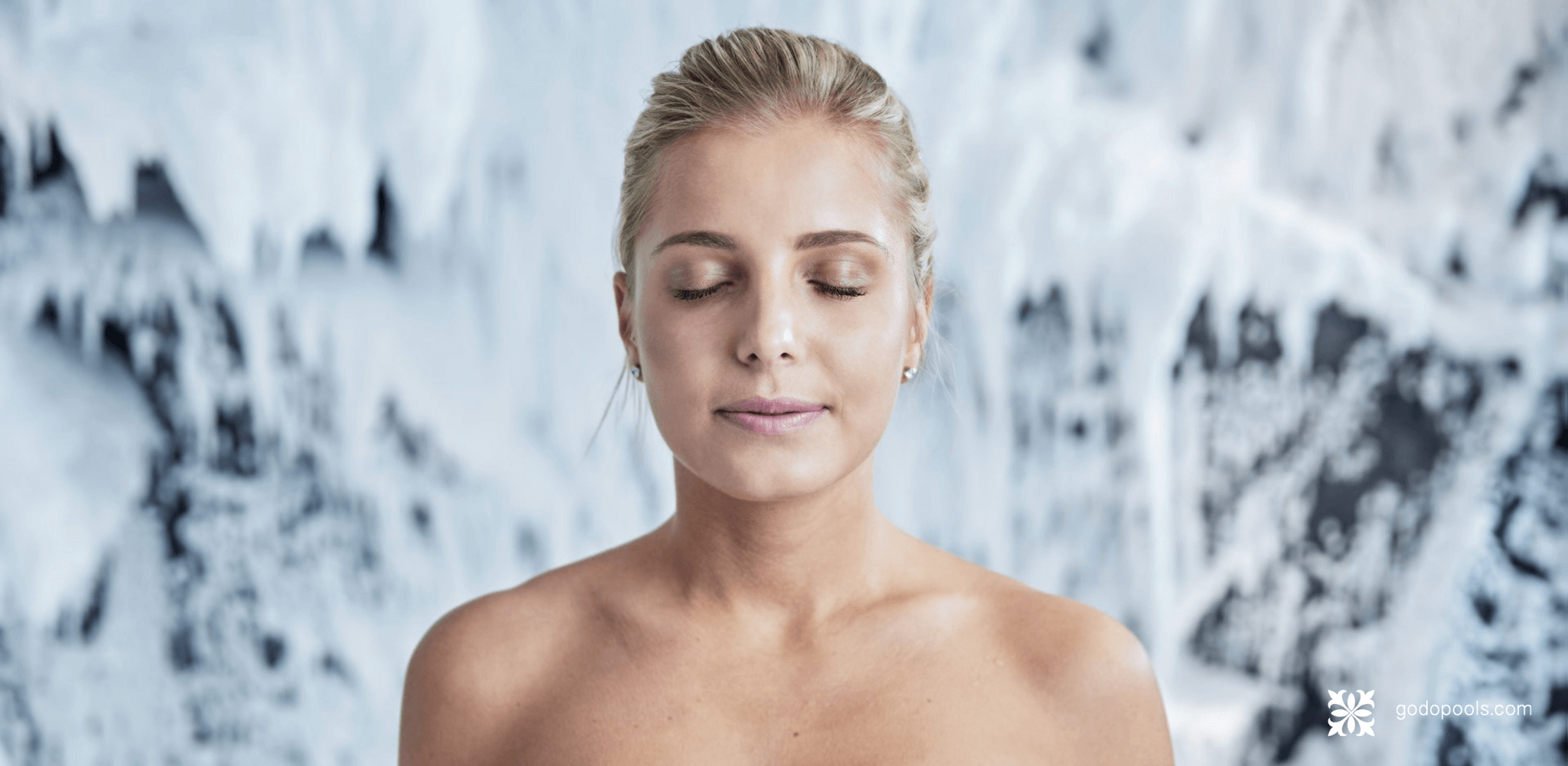
In addition, its walls finished in artificial rocks help optimize energy consumption, creating a frozen atmosphere that enhances the well-being experience without compromising sustainability.
What is a snow cabin?
A snow cabin is a space designed to offer an experience of extreme cold in wellness environments.
These cabins, covered in artificial snow, reach very low temperatures that allow users to experience an intense thermal contrast, commonly used after a hot session in saunas or steam baths.
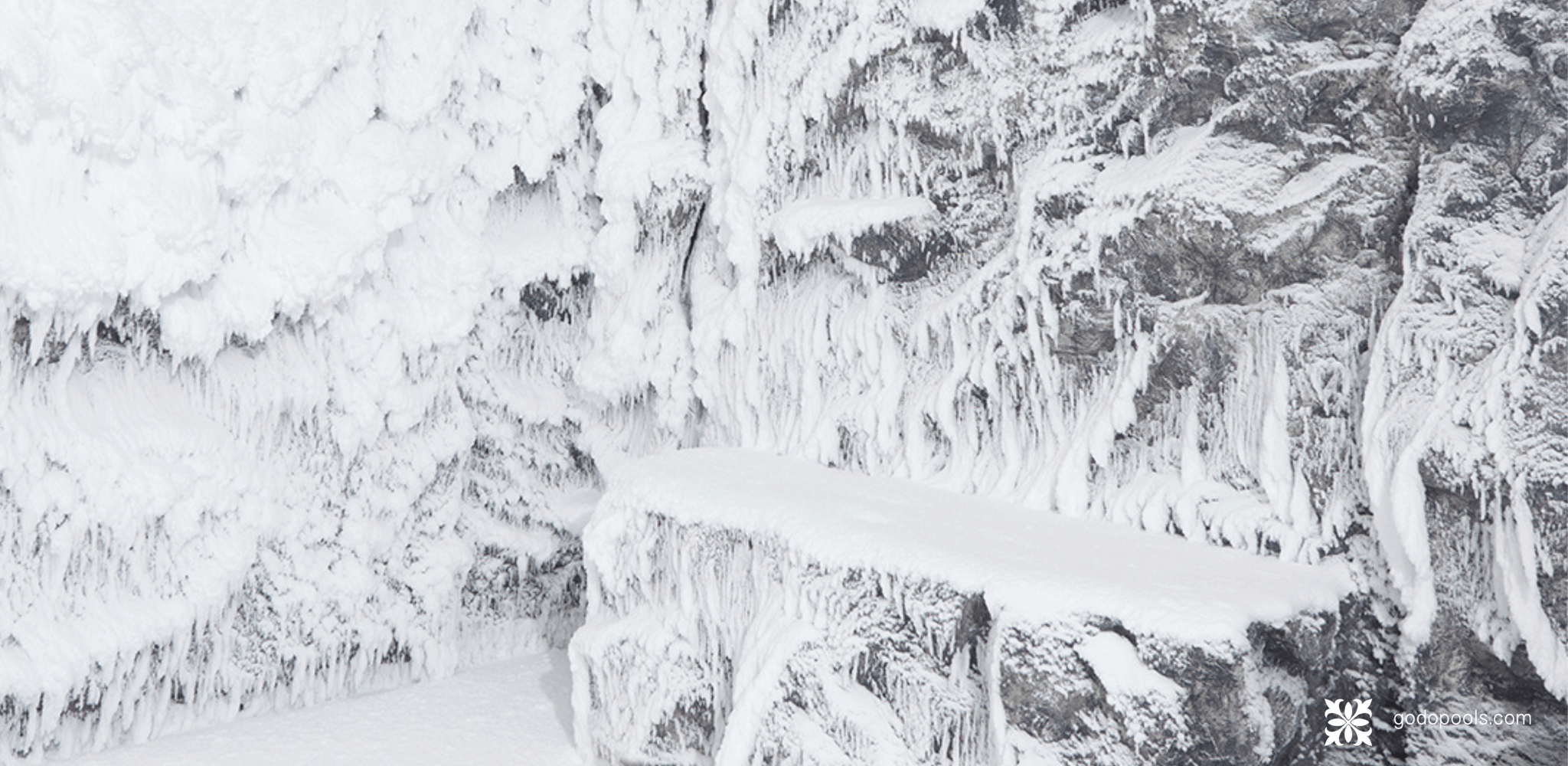
This shock of temperatures activates the circulatory system, stimulates the immune system and provides a feeling of deep revitalization. In addition to its health benefits, the snow cabin also brings an innovative and surprising element to spa areas, improving the comprehensive wellness experience.
Benefits of having a snow cabin in a wellness area
Having a snow cabin in a wellness center offers multiple benefits, both for health and for the user experience.
Below, we explore the advantages of incorporating this contrast therapy in a spa:
- Stimulation of the circulatory system: The sudden change in temperature between hot and cold sessions improves blood circulation, helping to tone blood vessels and contributing to better oxygenation of tissues.
- Strengthening the immune system: The low temperatures of the snow cabin stimulate the immune system, helping the body to increase its defenses and reduce susceptibility to diseases.
- Muscle recovery and pain relief: After exercise or heat treatments, exposure to cold helps reduce inflammation, relieve muscle pain and facilitate faster recovery, making it an ideal option for those seeking relaxation and physical recovery.
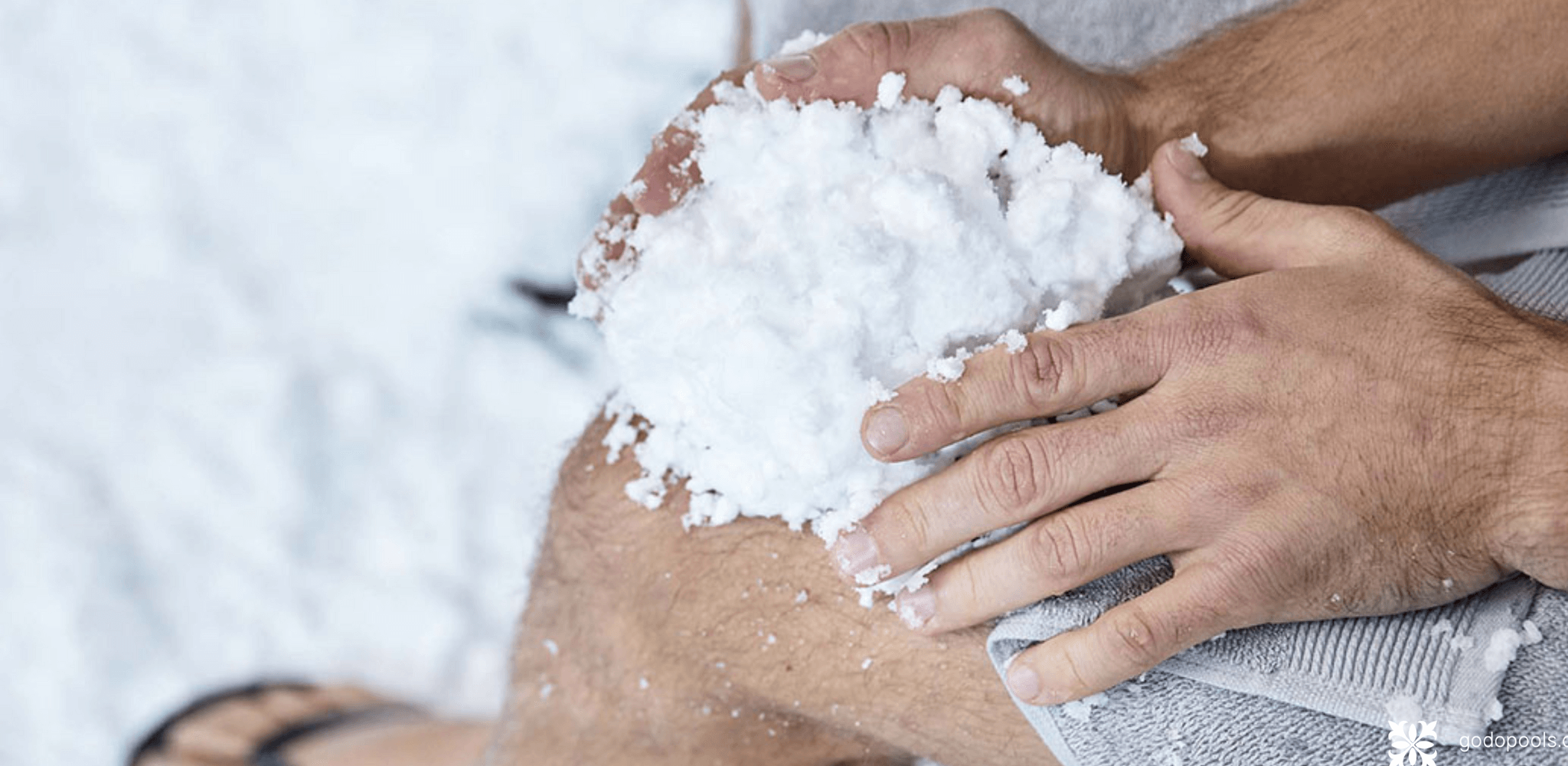
- Revitalization and general well-being: The thermal contrast produces a revitalizing and energizing effect, ideal for combating stress and improving mood, enhancing the relaxation experience in the spa.
- Attraction for users: Incorporating a snow cabin adds value and novelty to the wellness area, offering a unique and exclusive experience that attracts more users interested in trying a complete wellness routine.
Contrast therapy, alternating hot and cold, is considered essential in high-end spas, as it not only improves physical health, but also enriches the sensory and relaxation experience.
Technical considerations when installing a snow cabin
Installing a snow cabin in a wellness area requires taking into account several technical aspects to guarantee its optimal functioning and efficiency.
Below, we review the key points:
- Thermal insulation and temperature control: It is essential to have efficient insulation to maintain temperatures that usually range between -3ºC and -12ºC. This prevents cold losses and optimizes energy consumption.
- Snow generation system: The cabin needs a system that produces snow naturally, using only water and compressed air, without additional chemicals. This system must be able to create a layer of snow that is maintained in the specific conditions of the cabin.
- Ventilation and humidity control: Humidity must be carefully regulated to prevent excessive frost accumulation and ensure a pleasant atmosphere for users. A proper ventilation system helps control these humidity levels.
- Cabin size: A minimum area of approximately 3.5 m x 2 m is generally required to provide sufficient space for equipment, snow production, air circulation and separation panels. The minimum height of the snow cabin should be approx. 2.6 metres.
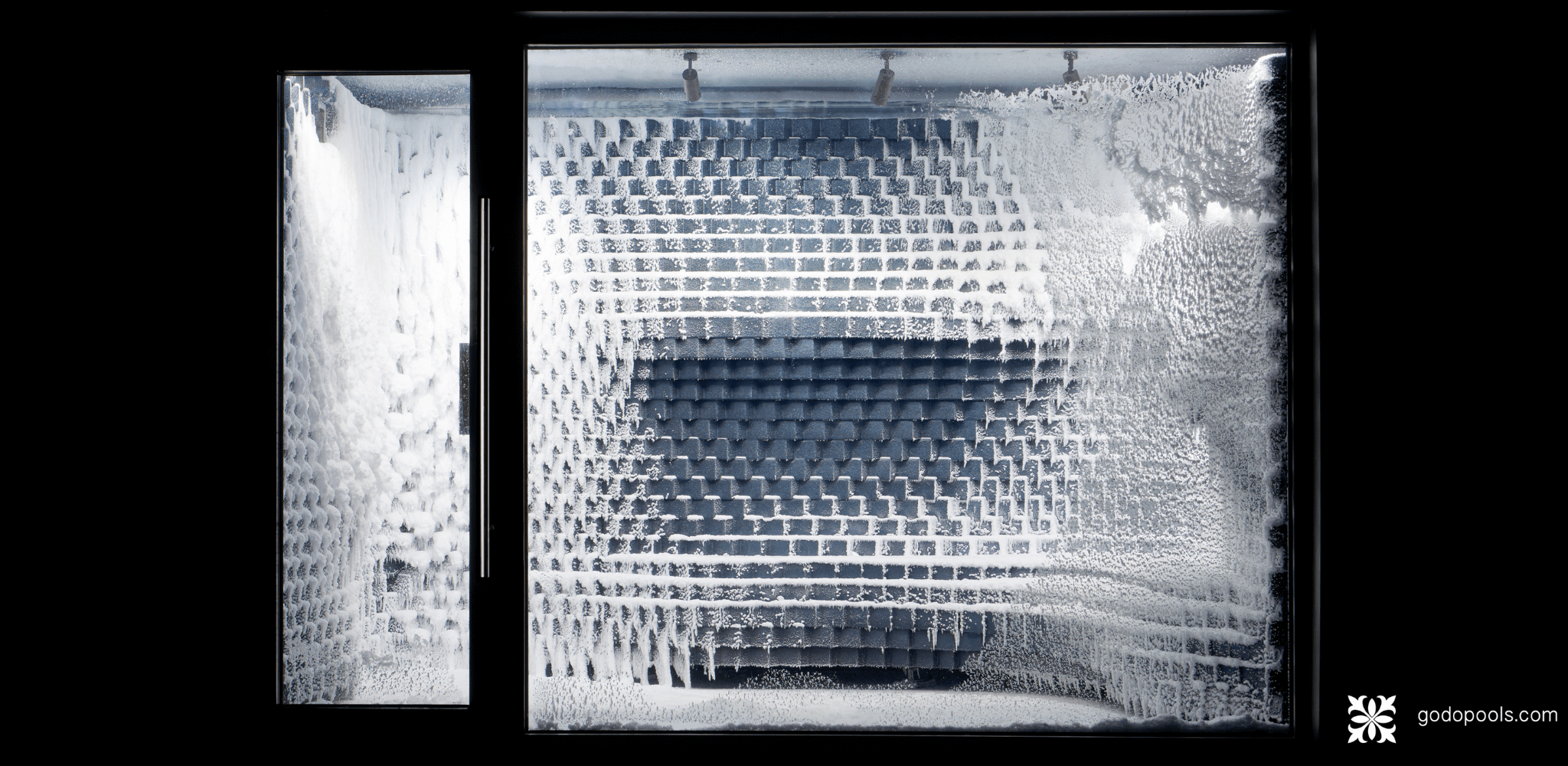
- Distance between the snow cabin and the technical room: It must be taken into account that it must have a maximum distance of 40 meters.
- Water pressure: Ideally, the water should have a minimum pressure of 2 bars
- Defrosting function: We recommend that you review the technical sheet of the product to be installed, since it is vital that the snow cabin offers a defrosting function, both automated and manual. It is recommended to defrost the cabin when not in use and also once a week, as a maintenance measure.
- Energy efficiency: the snow cabin must maintain a stable interior temperature and ensure that a large percentage of the energy supplied can be recovered thermally.
- Water consumption: not all snow cabins are the same. At GodoPools we recommend you opt for sustainable solutions, for example: choosing a device in which 1 liter of water produces approx. 5 liters of snow.
- Materials resistant to low temperatures: The materials used in the cabin must be resistant to extreme cold conditions and humidity, both on the walls and on the floor and interior installations.
These technical considerations are essential to ensure that the snow cabin operates efficiently and that users enjoy a safe and comfortable experience.
Snow cabin customization: design and accessories
The snow cabin not only provides a unique experience in the cold, but can also be completely customized to integrate into the design of the wellness area and offer an immersive environment.
Below, we explore the design options and add-ons that can be incorporated:
- Wall coverings: The choice of wall coverings allows you to create different environments in the snow cabin.
Options include realistic forest images for a natural feel, faux natural stone or themed rock for a rustic effect, and a cubic design achieved by milling XPS panels and applying a special coating, offering a variety of finishes. These prefabricated modules are assembled on site, allowing for efficient installation.
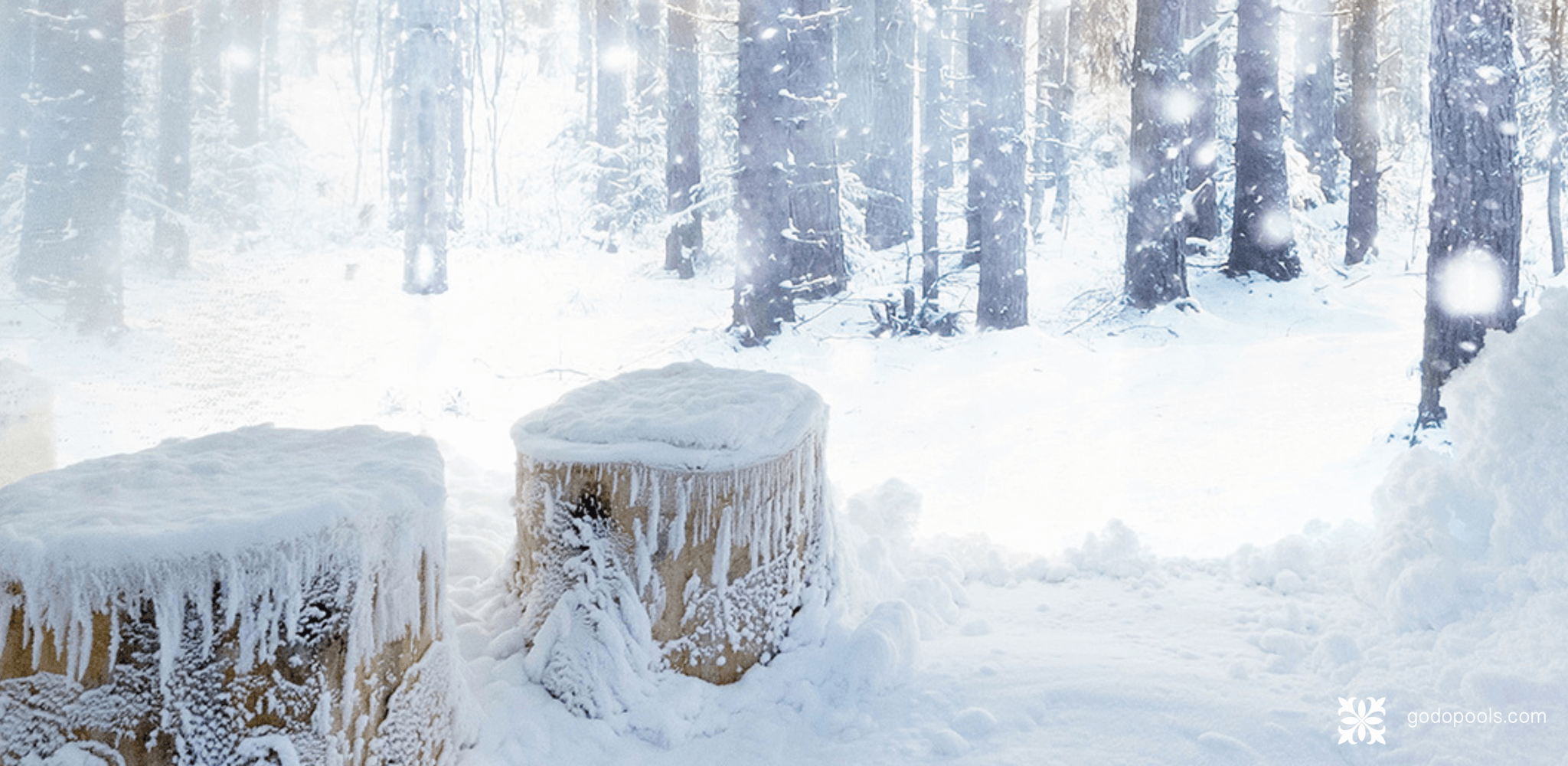
- Types of ceilings: The cabin ceilings can adapt to the desired environment, with options such as the mirror effect to give a feeling of spaciousness, a starry sky that adds a magical touch, soft tones for a relaxing atmosphere, aluminum finishes or a of rock that complements the wall coverings.
- Location of the access door: The location of the door is important to ensure a comfortable flow of entry and exit, in addition to maintaining thermal insulation. Depending on the design of the wellness space, the door can be strategically placed for better integration.
- Seats and rest areas: Seats or swings can be installed inside the cabin so that users can enjoy the cold experience in a relaxed way. These can be made of rock-like materials or wood, all of them resistant to cold and humidity for greater durability.
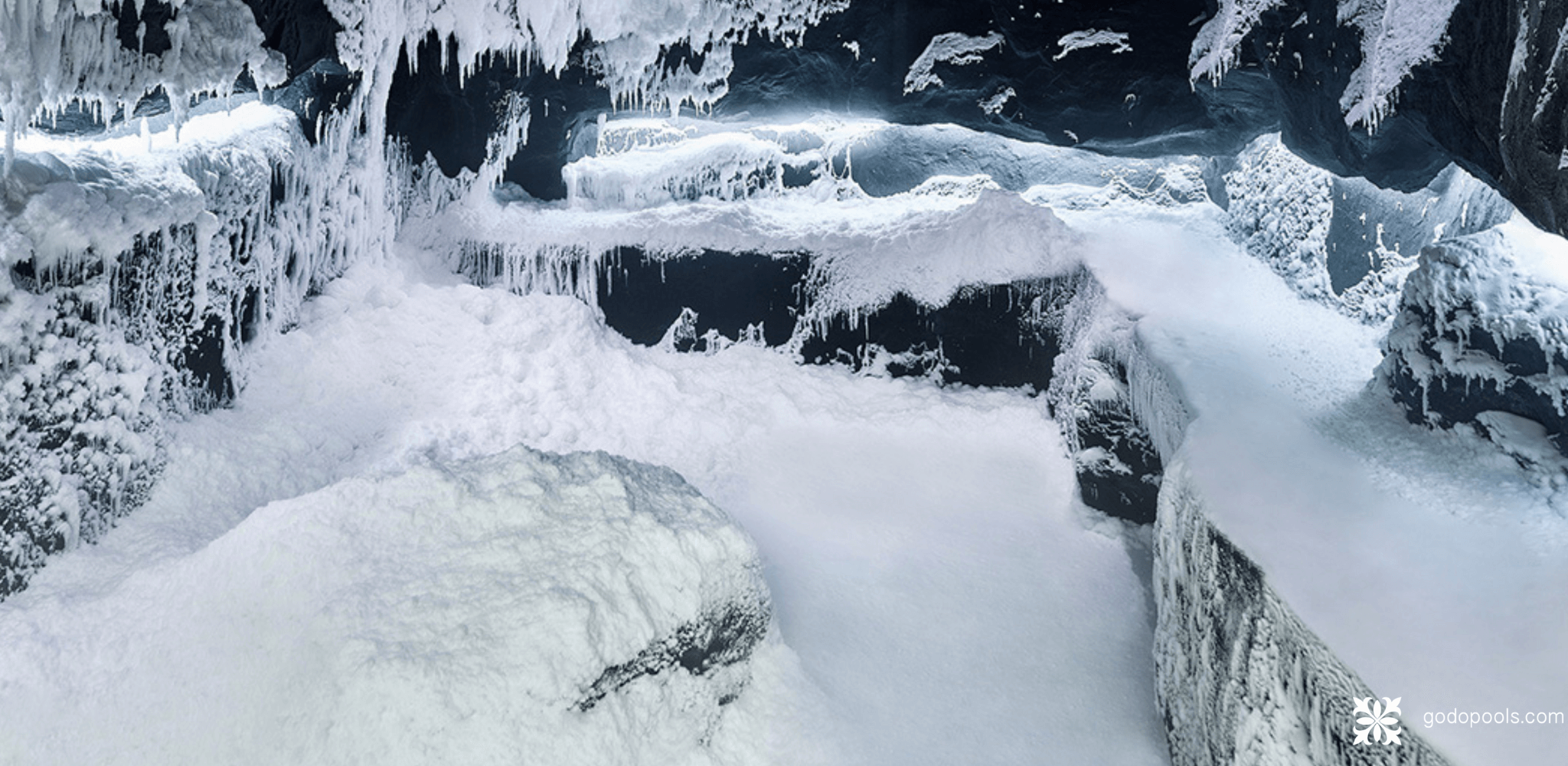
- Audio and multimedia systems: The integration of speakers and musical equipment allows you to add ambient music or natural sounds, improving the sensory experience. In addition, screens can be included to project nature videos, reinforcing the feeling of immersion in a cold and natural environment.
- Fragrances and chromotherapy: A controlled fragrance system can provide fresh and natural aromas, such as mint or eucalyptus, while chromotherapy allows lighting to be varied according to the desired environment, generating relaxing and revitalizing effects.
These customization options allow each snow cabin to be unique, providing an experience completely adapted to the expectations and desires of users in a wellness environment.
The snow cabin trend: why should a wellness area have a snow cabin?
In the world of spas and wellness areas, snow cabins are setting a trend that goes beyond the traditional benefits of thermal contrast, as we already mentioned in the ARQ SPAIN presentation. Incorporating a snow cabin not only responds to the popularity of these therapies since ancient times, but also adds a distinctive element that places a wellness center at the forefront of well-being.
Below, we explore why these types of facilities are gaining prominence and how they can benefit spass:
- Benefits of thermal contrast: Alternating between heat and cold activates circulation, strengthens the immune system and revitalizes both body and mind. These effects, known and used since ancient times in cultures such as the Roman or Nordic, are today supported by well-being studies and make the snow cabin an ideal complement after a sauna or steam bath.
- Exclusive and differentiating experience: A snow cabin offers a unique experience that very few spas offer, positioning the wellness center as innovative and at the forefront. Users value this novelty and see it as a premium experience that makes the spa stand out from the competition.
- Attracting new customers and loyalty: The inclusion of a snow cabin is a powerful attraction to capture the attention of new customers looking for exclusive experiences. In addition, regular users value the possibility of trying new sensations, which helps improve loyalty and increase the frequency of visits.
- Enhancement of the sensory experience: When integrated with elements such as chromotherapy, aromatherapy and nature videos, the snow cabin becomes a multisensory space that is not only impacted by temperature, but also by visual and olfactory stimuli, expanding the scope of a comprehensive relaxation experience.
- Added value for spa marketing: A snow cabin is a great marketing tool. The innovation and exclusivity of this type of facility generates interest on social networks, advertising and in direct communication with clients, offering a differentiating element that improves the image of the wellness center.
In summary, a snow cabin in a wellness area not only enriches the wellness experience with thermal contrast, but also provides a differentiating and attractive value that elevates the category of the spa, which responds to the growing demand for unique and personalized.