In the competitive world of hospitality, creating water zones in luxury hotels and resorts has become a key trend to attract and retain guests.
In this post, we will explore the main challenges and considerations in the design and construction of hotel pools and spas, offering a detailed overview from space and regulatory restrictions to the importance of user experience and the implementation of advanced technology.
Main difficulties of water architecture projects for hotels and resorts
Space restrictions
Spaces in hotels and resorts are often limited, requiring innovative solutions to maximize the available area. The integration of swimming pools and wellness areas in small areas, such as the lower floors of a hotel, demands a design that takes advantage of every centimeter without sacrificing functionality or aesthetics.
Rules and regulations
Complying with local regulations is essential. These regulations vary by location and range from safety requirements to water quality standards. Planning must ensure that the project is not only attractive, but also safe and legal, so that it does not lead to subsequent problems during the opening of the complex.
Integration with the environment
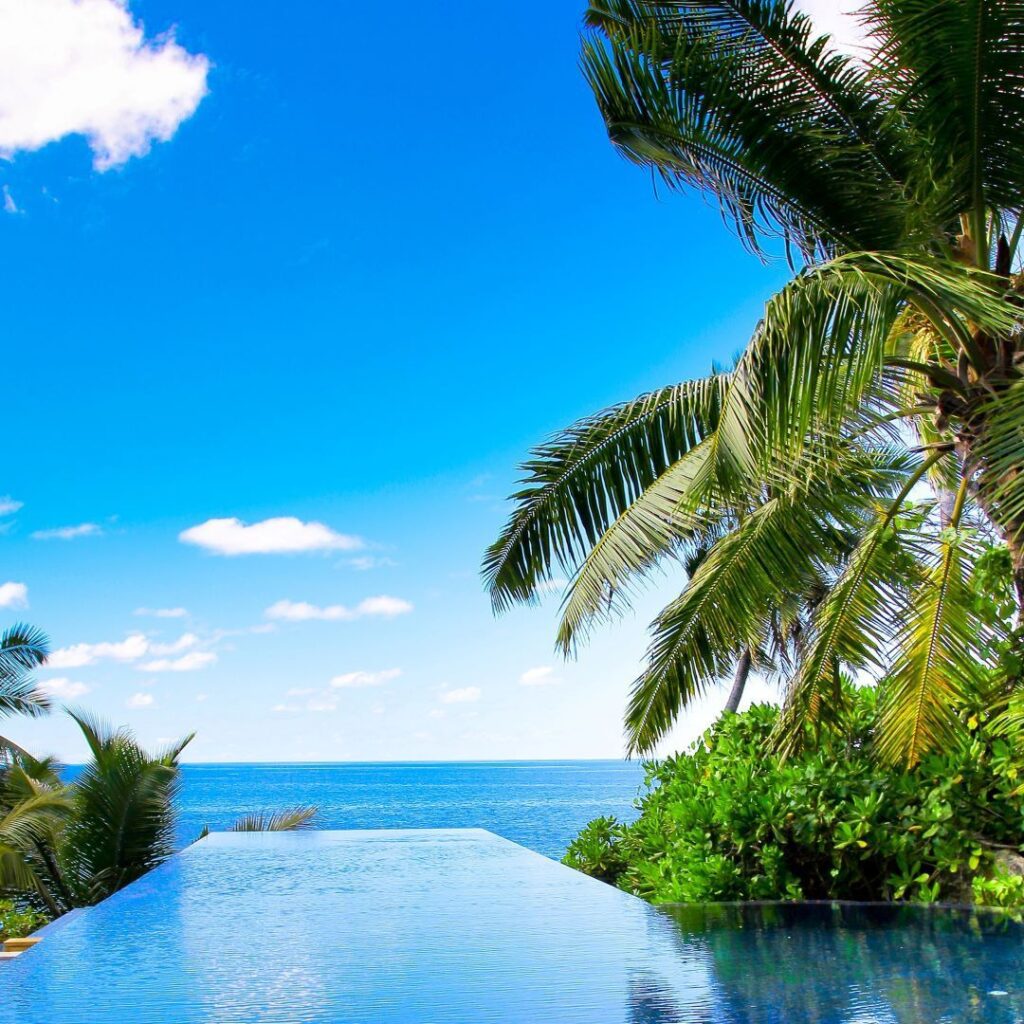
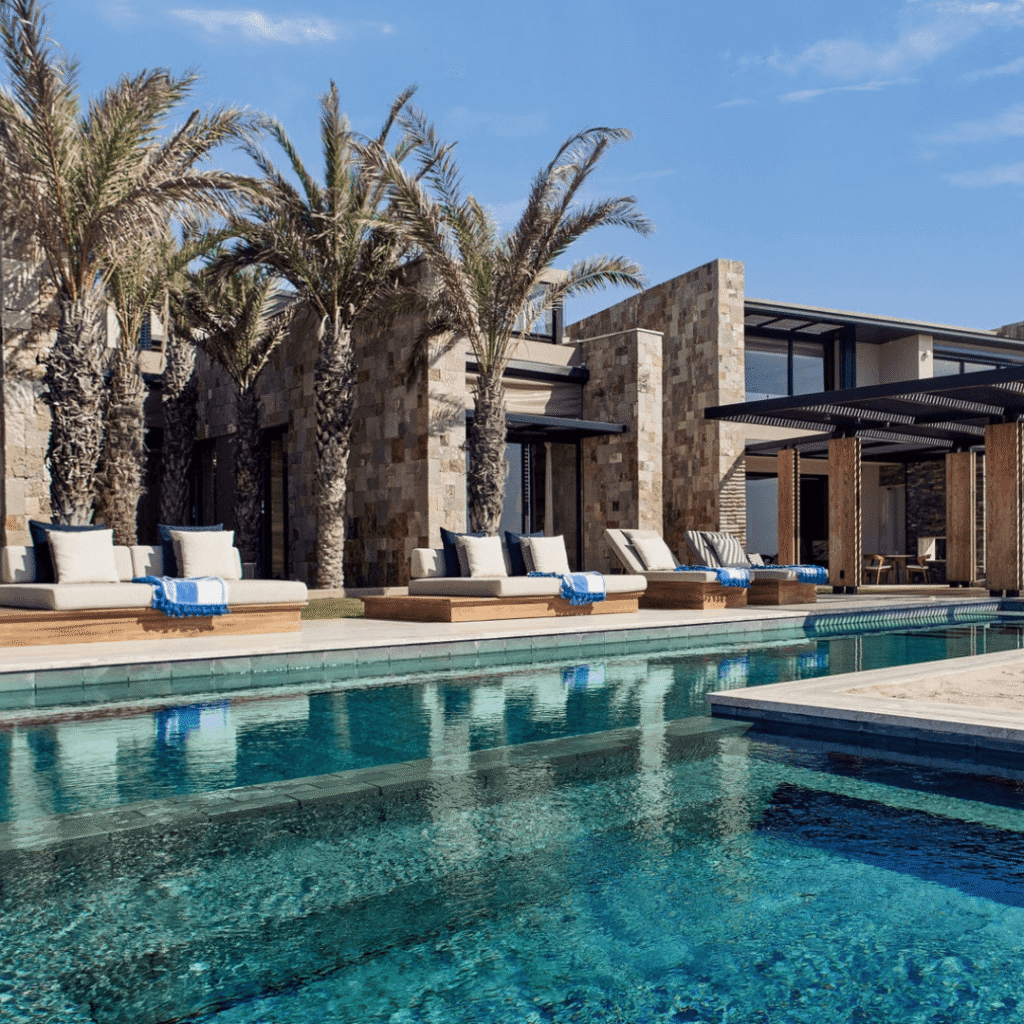
The design must harmonize with the environment, respecting the landscape, vegetation and architectural style of the hotel. This includes selecting materials that complement the environment and interior design style and implementing sustainable solutions that reduce environmental impact.
At this point, it should be noted that the choice of materials and the combination of them with each other can be quite a challenge in large-scale projects, which is why, at GodoPools, architects and interior designers work together to shape the design of the area of waters.
Maintenance and operation
It is crucial that the design facilitates ongoing maintenance. This involves choosing efficient filtration systems, durable materials, and technologies that simplify daily tasks, thus ensuring a quality experience and project longevity.
In this sense, it is advisable to be advised by a technical team with extensive experience in the design and construction of swimming pools and spas for hotels, because based on their experience, they can clearly specify which equipment is ideal for each project and what materials have resulted from more efficient for maintenance over time.
Aspects to take into account before building a pool or spa for a hotel
Feasibility analysis
A comprehensive feasibility study evaluates the profitability and costs of the project. This analysis includes reviewing the characteristics of the terrain, climate and guest expectations, ensuring that the investment is sustainable in the long term.
The feasibility study should include a detailed schedule that covers all phases of the project, from planning and design to construction and commissioning. A well-structured schedule helps manage time and resources efficiently, reducing the risk of delays and cost overruns.
3D design and architectural preview

The implementation of 3D design and architectural preview tools is essential in planning pools and spas for hotels. These technologies allow you to view the project in detail before construction, facilitating the identification of possible problems and necessary adjustments.
In addition, they offer a realistic vision of how the elements will be integrated into the environment, improving decision-making in terms of design, materials and distribution of spaces. With these tools, you can guarantee that the final project meets both aesthetic and functional expectations.
Materials selection
Durability and aesthetics are key. Materials such as natural stone, mosaic and porcelain stoneware can be great allies in this type of project, without forgetting the stainless steel of the whirlpool accessories, resistant to weather conditions and intensive use. The goal, ultimately, is to extend the useful life of the pool and also improve the visual and sensory experience of users.
Care of spa acoustics

Taking care of the acoustics is vital in creating a relaxing atmosphere in the wellness areas of a hotel. Materials used in walls, ceilings and floors must be carefully selected to minimize reverberation and echo.
Some specific materials and their correct placement can help control sound. Furthermore, a design that considers the arrangement of noise sources, such as whirlpool equipment and showers, and their proper isolation, ensures that noise is not amplified and annoying to users, creating a truly serene and peaceful environment.
Competition analysis
Analyzing the pool and spa facilities of competing hotels can provide valuable information about what works well and what doesn’t. This analysis helps identify opportunities for differentiation and improvement that can make the project more attractive and competitive in the market.
We must not forget that open spaces such as swimming pools and rest areas such as wellness areas, hammams, saunas and treatment areas have become the main attractions for guests when choosing accommodation in recent years. appropriate.
Design and functionality
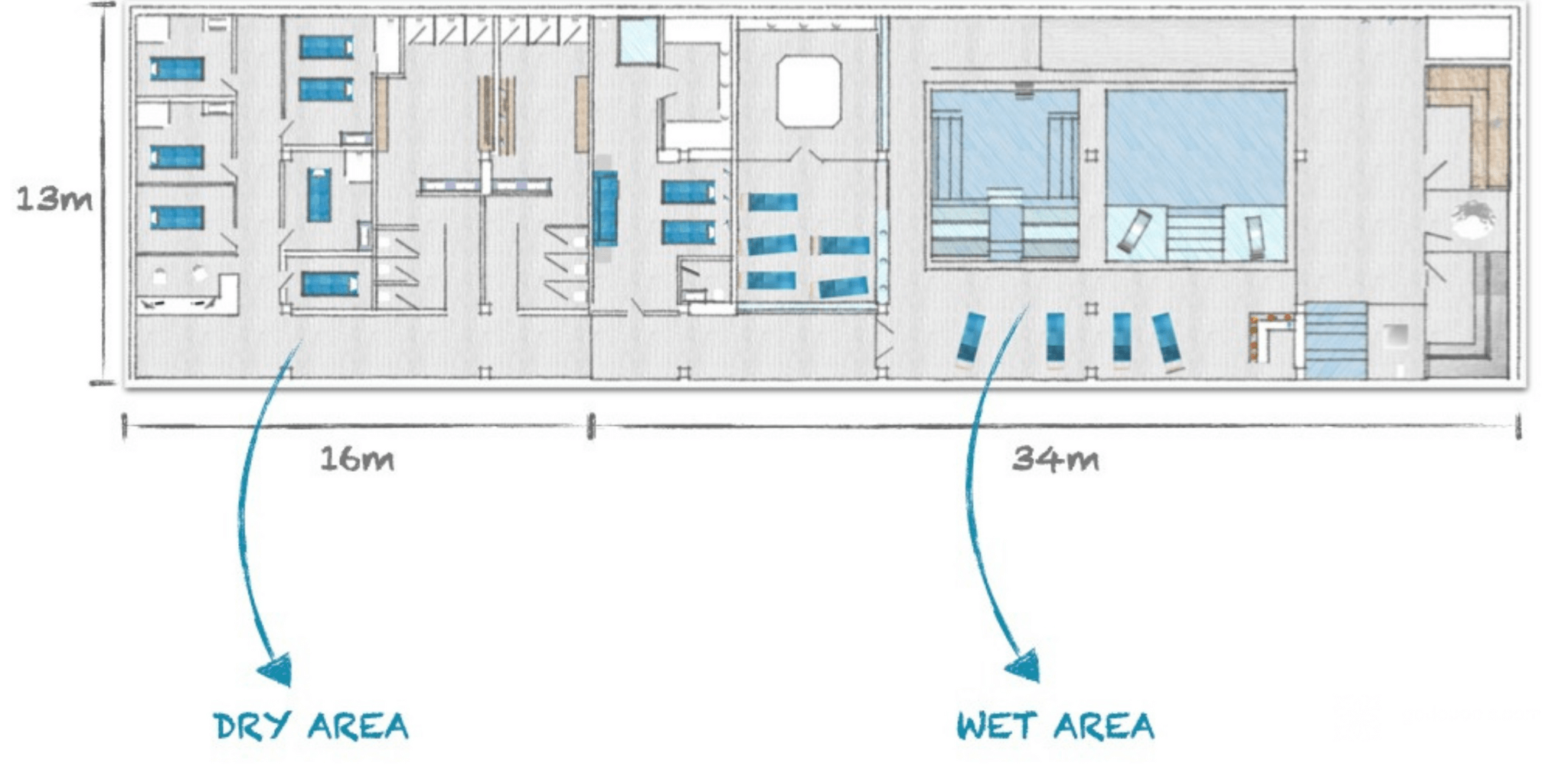
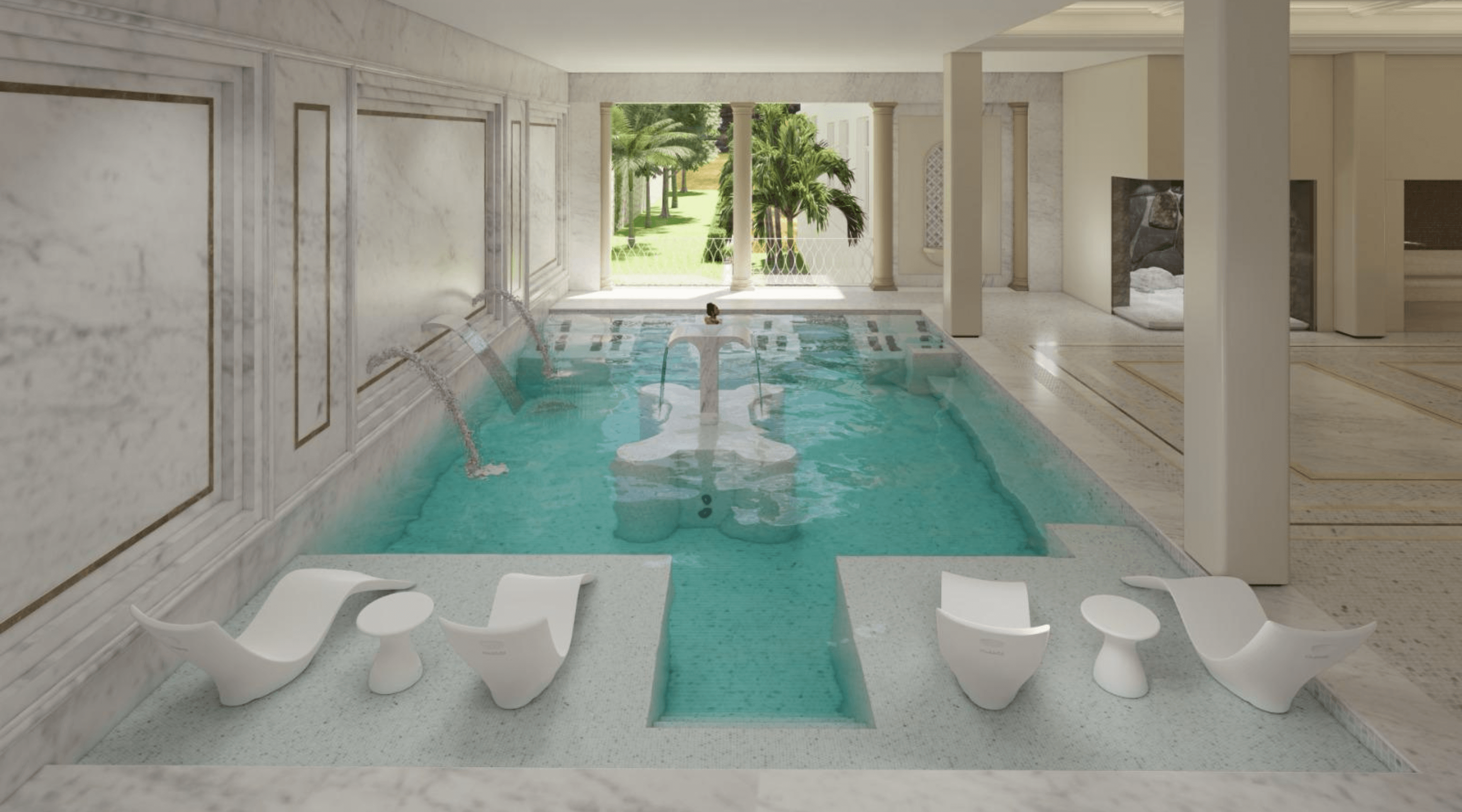
The design should be a fusion of aesthetics and functionality. Architectural elements such as waterfalls, underwater lighting and infinity edges not only add beauty but also enhance the user experience.
If we talk about wellness areas for hotels, it is vital to contemplate a design in which the user is the protagonist, making it very clear in the design what the movement of users will be within the complex to avoid crowds and queues in water areas.
Furthermore, in a spa for a hotel, areas with shallow water depth and dry rest areas must also be considered, since this is another point often forgotten in wellness projects for hotels and resorts.
Technology and innovation
Incorporating advanced technologies, such as high-efficiency HVAC systems, LED lighting, and maintenance automation, not only optimizes operation, but also reduces operating costs and improves project sustainability.
Design of Spas for Hotels: Water areas that should not be missing
From our experience, a well-designed spa should include different water areas that offer a comprehensive relaxation and well-being experience.
The variety and quality of these areas not only enriches the guest experience, but also enhances the hotel’s perception of luxury and exclusivity. Below are the essential water areas that every hotel spa should incorporate:
- Hydromassage pools: Ideal for muscle relaxation and improving circulation, providing a therapeutic experience.
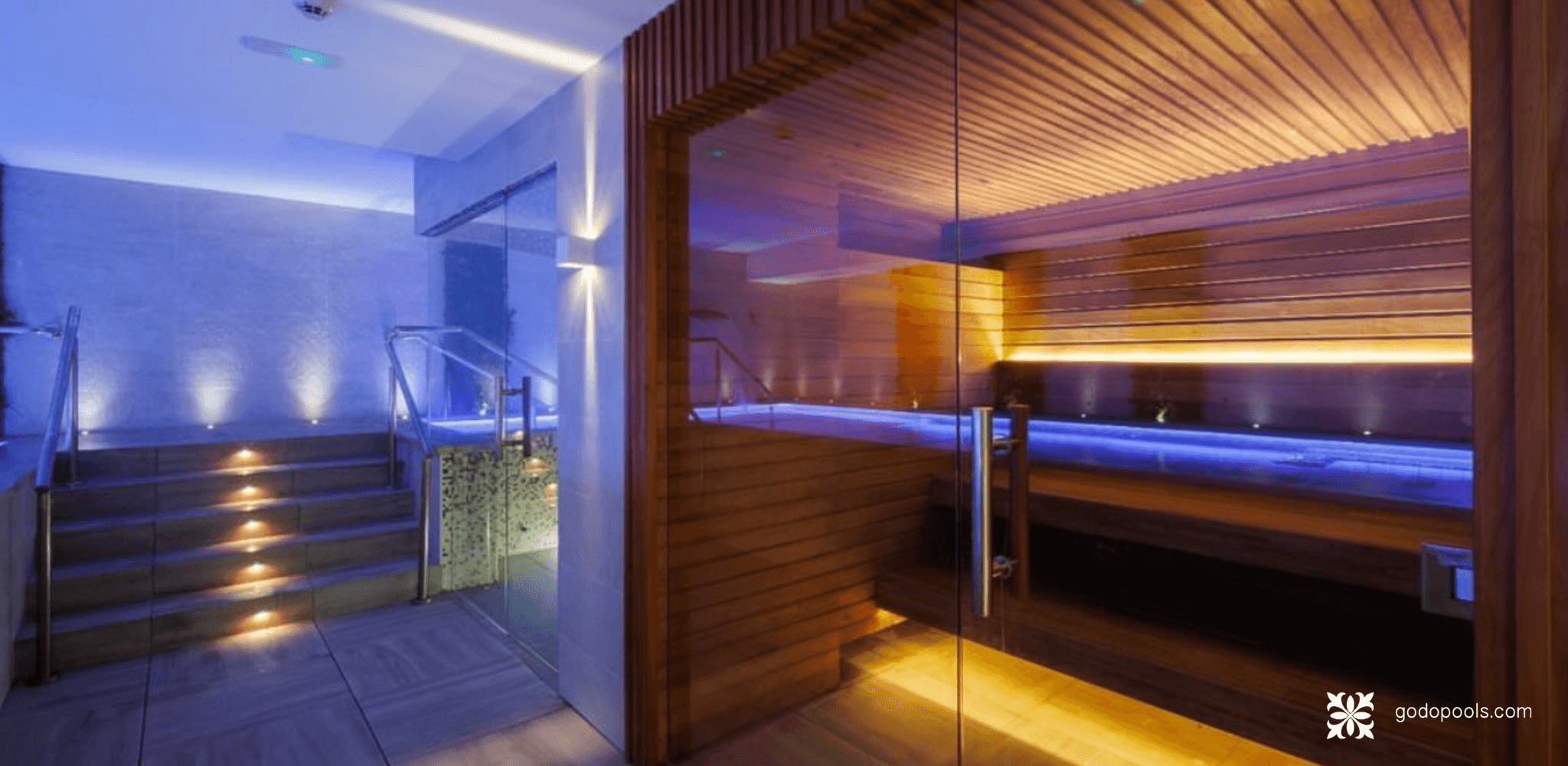
- Saunas and steam baths: Keys to detoxification and general well-being, these elements contribute to deep relaxation.
- Sensory showers: They offer a multisensory experience with different types of jets and temperatures, improving the guest’s well-being.
- Relaxation Areas: Quiet spaces where guests can relax before and after aquatic treatments, essential for a complete spa experience.
- Pools: Having a variety of water spaces such as hot and cold pools, Watsu pool and flotarium pool, provides a diverse range of aquatic therapies.
- Treatment and massage cabin areas: Large, well-designed spaces for specialized treatments, such as mud treatments, algae treatments, underwater massage, pressurized water, snow showers, etc.
- Fitness areas: Areas dedicated to complementary physical activities, such as equipped gyms, which add value to the spa experience, especially during slimming or anti-stress treatments.
The user experience in luxury pools and spas for hotels
Comfort and accessibility
Ensuring the comfort of all guests, including people with reduced mobility, is paramount. This involves designing accessible and comfortable areas, ensuring that all types of users can enjoy the facilities without difficulties and without danger.
Atmosphere and aesthetics
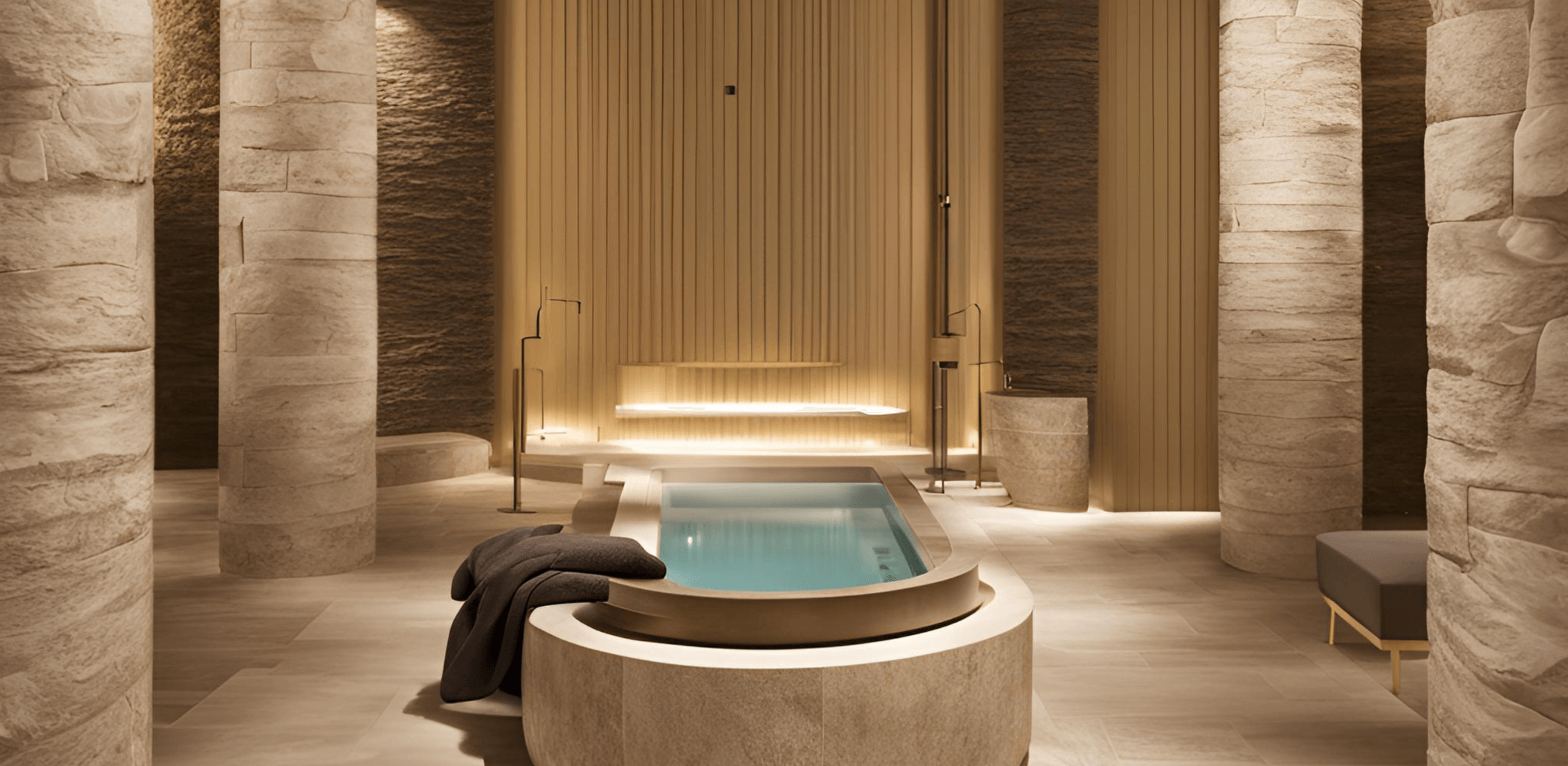
Creating a relaxing and aesthetically pleasing environment significantly improves the user experience.
Adequate lighting, attractive landscaping and a coherent design are fundamental elements that contribute to an atmosphere of luxury and well-being, without forgetting the previous acoustic study, as we commented in the previous section.
Security and privacy
Safety is a priority in pool and spa design. Additionally, providing private and exclusive areas can increase the perception of luxury and exclusivity, offering guests a more personalized and peaceful experience.
Additional services
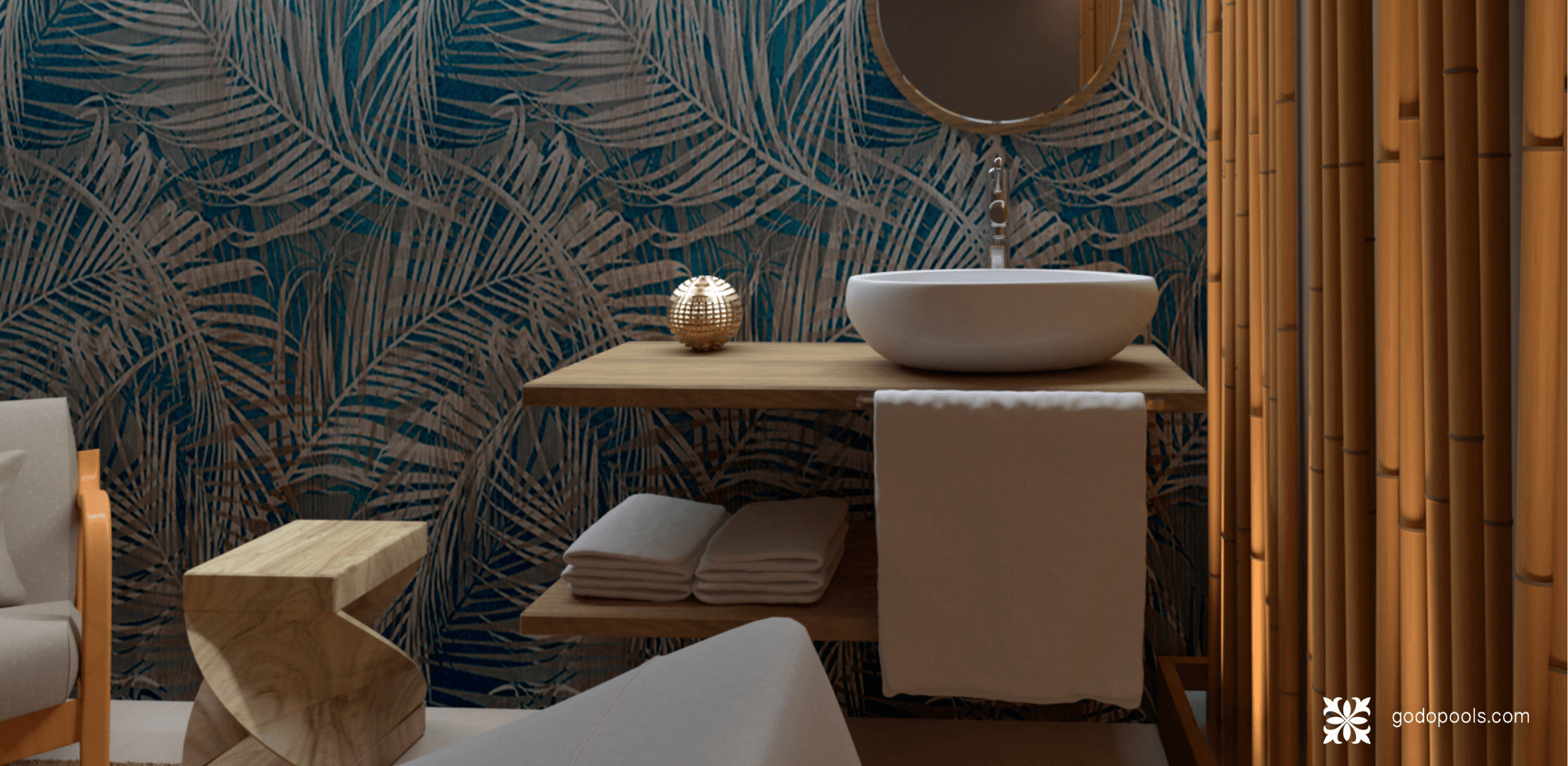
Including additional services such as massages, beauty treatments and aquatic therapies can enrich the user experience, offering added value to the establishment and attracting a more demanding clientele.
Conclusion
The design and construction of hotel pools and spas requires detailed planning and careful attention to every detail. From overcoming space restrictions to complying with local regulations, selecting the right materials and creating an exceptional guest experience, every aspect is crucial to the success of the project.
At GodoPools, we specialize in designing and building water areas that combine luxury, functionality and sustainability, offering customized solutions for high-end hotels and resorts.