What Are Recreational Pools?
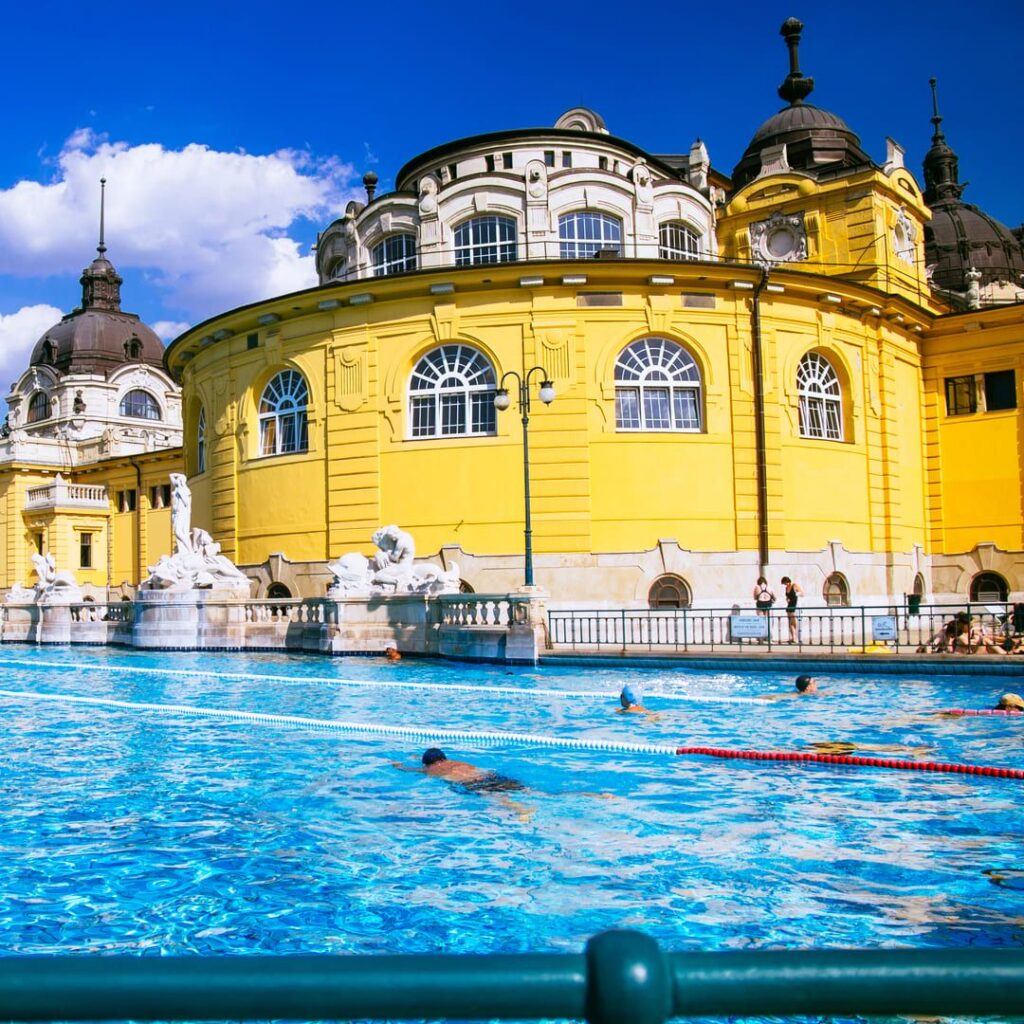
Recreational pools are spaces designed for entertainment, relaxation, and fun for guests at hotels and resorts. They differ from conventional pools due to the inclusion of features such as slides, waterfalls, lazy rivers, hydromassage areas, and water games, making them a key attraction for visitor experiences.
Recreational pools in hotels are not just a visual attraction; they also enhance the guest experience, adding value and differentiation to the hotel’s offering. Proper design is crucial to maximizing functionality, safety, and aesthetics. Below, we present nine essential recommendations for their design.
The importance of recreational pools in luxury hotels
Recreational pools have become an essential feature in luxury hotels, serving as a distinguishing element that enhances guest experience and the establishment’s reputation. These aquatic spaces not only provide relaxation and entertainment opportunities but also act as ideal settings for photography and social media promotion, highly valued by today’s customers.

The integration of additional features, such as swim-up bars, water sports activities, or themed areas, transforms the pool into an activity center that enriches guests’ stays and boosts hotel profitability. Choosing the right aquatic facility is crucial to ensuring user satisfaction and an efficient return on investment for hotel operators.
In other words, recreational pools in luxury hotels are no longer just an aesthetic feature; they also represent a strategic investment that contributes to guest well-being and the commercial success of the establishment and its investors.
Types of recreational pools for hotels
The choice of a recreational pool type will depend on the hotel’s concept and guest profile. Below are some of the most popular options:
- Infinity pools: With their overflowing effect, they create the illusion of an endless horizon, seamlessly integrating with the landscape and offering a spectacular visual experience. These are ideal for hotels with privileged views or “adults-only” accommodations.
- Rooftop pools: Located on rooftops or terraces, these pools utilize vertical space to offer panoramic views and an exclusive experience. They can be complemented with swim-up bars or private hydromassage zones.
- Transparent pools: Incorporating glass panels in their walls or floors, they create a floating effect and a sense of spaciousness and luxury. You can read more about this trend in this post.
- Themed and recreational pools: Designed for entertainment, they include features such as slides, built-in sun loungers, or water play areas, ideal for families.
- Wellness pools: Focused on well-being, they incorporate hydrotherapy zones, massage jets, and cervical waterfalls, among others.

- Elevated pools: Ideal for private suites, these add privacy and an extra touch of luxury to the guest experience.
- Stainless steel pools: A modern and sustainable option, with elegant designs and minimal maintenance.
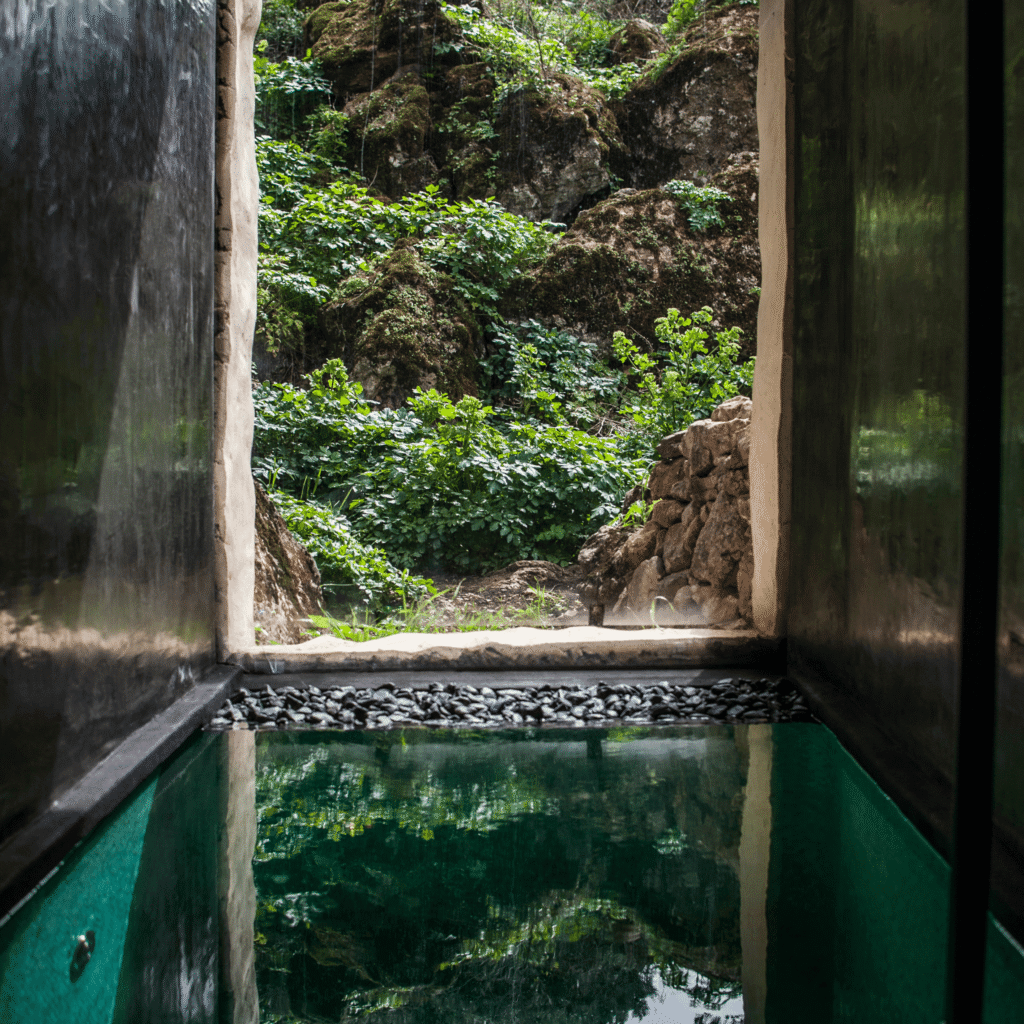
- Eco-friendly pools or bio-pools: Using natural filtration systems and organic elements, they provide a swimming experience in harmony with nature. These are ideal for boutique hotels or resorts offering a premium experience in rural areas.
- Lagoon pools with water movement: Large water expanses designed to recreate tropical beaches and offer activities such as artificial waves.
Each pool type can be tailored to the hotel’s identity and enhance guest experience while optimizing business profitability.
Choosing the ideal recreational pool concept is not always easy, but at GodoPools, we can help you define a design that not only enhances the hotel’s aesthetics but is also financially viable. Talk to us.
9 Recommendations for the Design of Recreational Pools for Hotels
1. Define the pool type based on the hotel concept
There are several types of hotel pools, and the right choice depends on the establishment’s profile and target audience:
- Infinity pools: Ideal for luxury hotels with panoramic views.
- Themed pools: Perfect for family resorts or water parks.
- Natural pools: Attractive for eco-hotels or sustainable accommodations. They can include natural waterfalls, themed rocks, beach entrances, etc.
- Wave pools or lazy rivers: Ideal for more dynamic and entertaining experiences.
2. Prioritize safety and accessibility
Hotel pools must comply with safety and accessibility regulations to ensure guest well-being. Consider:
- Different depth areas for all types of users.
- Non-slip floors and edges with adequate drainage systems. The overflow system with a hidden channel is ideal for hotel projects. You can see how it works in this YouTube video:
- Accessible ramps with different incline percentages and lifts for people with reduced mobility.
- Curved copings and profiles, designed to minimize the risk of unnecessary bumps and accidents, providing a safer transition between the pool edge and the surrounding area.
You can read more about which pools are safest for children in this post.
3. Design and construction adapted to the environment
Hotel pool design should blend harmoniously with the property’s landscape and architecture. Key factors include:
- Use of materials and colors that complement the surroundings.
- Incorporation of natural elements such as stones, waterfalls, or vegetation.
- Curved or irregular designs for a more organic appearance.

4. Incorporate technology and automation
Technological innovations improve the user experience and optimize pool maintenance:
- Heating systems for year-round use.
- Programmable LED lighting to create distinctive and special environments.
- Efficient and automated systems for comprehensive control of all pool parameters 365 days a year. A great option is the Pool Tech Connection system.

5. Consider saving water and energy
Sustainability is a key factor in the construction of hotel pools, and at GodoPools, we offer innovative solutions to optimize resource consumption without compromising quality. Some of the strategies we recommend and use include:
- Water recirculation systems: Minimize waste and maintain optimal water quality with a lower environmental impact.
- Efficient heat pumps: Optimize water heating with lower energy consumption, ideal for hotels looking to keep their pools open year-round.
- Automatic covers: Reduce water evaporation, reduce dirt, and maintain temperature.
- Advanced filtration systems: State-of-the-art filtration technology that improves water quality with less need for chemicals.
- Water control automation systems: Real-time monitoring that allows you to manage pool cleaning and efficiently adjust energy consumption.
- Use of sustainable materials: In pool construction, we recommend liners and structures that extend the lifespan of the facility and require less long-term maintenance.
Thanks to these solutions, hotels can offer premium experiences to their guests without generating a significant environmental impact or incurring excessive maintenance costs.

6. Create spaces for relaxation and entertainment
The benefits of hotel pools go beyond swimming. Incorporating comfort and fun elements enhances the guest experience:
- Whirlpool areas and water beds.
- Foot spa areas.
- Waterfall areas and focused pressure jets.

- Swim-up bars.
- Sundecks or beach entrances with sun loungers.
- A safe area with water features for children and adults, including slides and shallow water areas.
7. Opt for high-quality and durable materials
Luxury hotel pools require wear-resistant and easy-to-maintain materials:
- Porcelain or natural stone cladding.
- Tempered glass for transparent, modern edges.
- High-efficiency filtration systems for crystal-clear water.aaa
8. Plan good lighting and ambiance

Proper lighting transforms the pool into an attractive space day and night:
- Submersible LED lights in different shades.
- Illuminated paths for safe access in the dark.
- Integration with water and sound shows.
9. Efficient maintenance and trained personnel
A proper design should allow for simple and effective maintenance. Often, we see a great design ruined by a lack of maintenance of recreational pools. Every self-respecting hotel project with pools should always include the following in its budget:
- Automatic cleaning systems and high-capacity filters.
- Staff trained in health regulations for recreational pools and in the proper use of water purification treatments.
- Constant monitoring systems for water parameters and air quality in indoor areas.
Conclusion

Hotel recreational pools not only enhance the guest experience, but also represent a key competitive advantage for these resorts. They are, in fact, a differentiating factor that influences guest decisions and contributes to brand recognition.
Furthermore, a well-designed pool can become a profitable activity center, allowing for the integration of additional services such as bars, shows, and exercise or relaxation areas that increase the average ticket price and return on investment.
Therefore, optimizing an innovative, efficient, and well-managed pool is a strategic decision that positively impacts profitability and guest loyalty.
Having experts in hotel pool design and construction guarantees high-quality results, optimizing costs and long-term maintenance.
Contact us and we’ll advise you! We have extensive experience in various types of high-quality recreational pool projects for hotels.
Frequently Asked Questions (FAQs)
Cost varies depending on size, design, materials, and technology used. A detailed estimate will depend on each specific project.
It includes pH and temperature control, constant filtration, bottom and wall cleaning, and periodic monitoring of water quality.
It depends on the climate, sun orientation, and privacy. Ideally, it should have good sun exposure and attractive views for guests.
Yes, using heat pumps, solar panels, or hydronic heating systems that allow for use at any time of year.
Porcelain stoneware and natural stone are durable and aesthetically appealing options.
A través de sistemas de recirculación del agua y control domótico eficiente, iluminación LED, bombas de bajo consumo y cubiertas para reducir la evaporación.